
Views: 0 Author: Site Editor Publish Time: 2025-09-16 Origin: Site
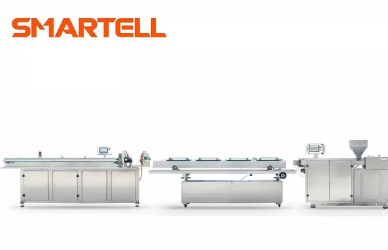
PVC tube extruding machines with PLC cutting systems are widely used in modern manufacturing to produce high-quality, precise tubes for applications such as plumbing, electrical conduits, and medical tubing. The integration of PLC-controlled cutting units ensures accurate tube lengths and consistent production, enhancing overall efficiency.
Regular maintenance of both the extruder and the PLC cutting system is essential to maintain tube quality, prevent unexpected breakdowns, and extend the machine’s service life. This article provides practical maintenance tips to help operators optimize performance, reduce downtime, and ensure smooth, reliable operation of PVC tube extruding machines with PLC cutting units.
Performing daily maintenance checks is crucial for ensuring smooth operation, consistent tube quality, and preventing unexpected breakdowns in PVC tube extruding machines with PLC cutting systems. Key daily checks include:
Examine screws and barrels for wear, scratches, or material buildup, which can affect extrusion quality.
Check the die heads for residue or blockage that could alter tube diameter or wall thickness.
Clean and remove any accumulated PVC material to maintain smooth flow and consistent extrusion.
Verify hydraulic oil levels and look for leaks in hoses, valves, or cylinders.
Ensure that all lubrication points, including bearings and moving parts, are adequately greased to reduce wear and friction.
Proper maintenance of these systems prolongs machine life and ensures stable operation.
Test the PLC system to ensure it accurately controls tube length and cutting cycles.
Check sensor alignment and responsiveness to avoid miscuts or production delays.
Confirm that all electrical connections are secure and free from damage.
Remove debris and PVC residue from cooling tanks to prevent uneven tube cooling or warping.
Inspect cutting blades for sharpness and cleanliness to ensure precise, clean cuts.
Proper cleaning minimizes downtime and maintains consistent product quality.
By performing these daily checks, operators can detect early signs of wear or malfunction, reduce production errors, and maintain optimal performance of the PVC tube extruding machine with PLC cutting system.
In addition to daily checks, conducting weekly and monthly maintenance is essential to ensure the long-term reliability and efficiency of PVC tube extruding machines with PLC cutting systems. These periodic inspections help prevent major breakdowns and maintain consistent production quality.
Examine drive belts for tension, wear, or cracks to prevent slippage or unexpected stops.
Check gears and couplings for alignment, lubrication, and signs of wear that could affect transmission efficiency.
Replace worn components promptly to maintain smooth mechanical operation.
Inspect all electrical cables, connectors, and terminals for fraying, corrosion, or loose connections.
Ensure proper grounding and safety features are intact to prevent electrical faults or PLC malfunctions.
Address any electrical issues immediately to avoid downtime or production errors.
Apply appropriate lubricants to bearings, screws, and other moving parts to reduce friction and wear.
Check hydraulic fluid levels and top up if necessary; inspect for leaks or contamination.
Proper lubrication and hydraulic maintenance ensure smooth operation and longer component life.
Verify that the PLC cutting system is accurately calibrated to maintain consistent tube lengths.
Check sensor alignment, timing sequences, and control parameters for proper functioning.
Perform test runs after adjustments to confirm that production meets dimensional and quality specifications.
Regular weekly and monthly maintenance ensures operational reliability, precise cutting, and consistent PVC tube quality, reducing costly downtime and extending the life of the extrusion equipment.
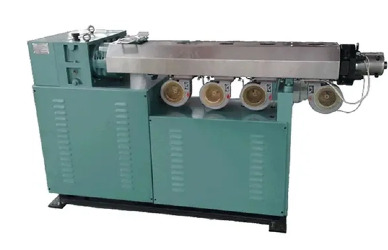
Proper management of replacement parts is critical to maintain continuous, high-quality production in PVC tube extruding machines with PLC cutting systems. Having a structured approach reduces downtime and prevents costly production interruptions.
Establish a routine schedule for replacing wear-prone components such as screws, blades, molds, and bearings.
Monitor usage hours and signs of wear to determine replacement timing before failure occurs.
Timely replacements ensure consistent extrusion quality and prevent unexpected machine breakdowns.
Maintain a well-organized inventory of critical spare parts to quickly replace worn or damaged components.
Prioritize high-impact items like die heads, cutting blades, and PLC sensors that could halt production if unavailable.
Ready access to spare parts minimizes production downtime and delays.
Use original equipment manufacturer (OEM) parts whenever possible to ensure compatibility, durability, and optimal performance.
Avoid low-quality or generic parts that may wear faster, cause malfunctions, or reduce tube quality.
Investing in high-quality components protects the extruder and PLC cutting system, ensuring long-term reliability.
By implementing a proactive replacement and spare parts strategy, manufacturers can maintain smooth operations, reduce maintenance costs, and extend the lifespan of their PVC tube extruding machines with PLC cutting systems.
To maximize the lifespan and operational efficiency of a PVC tube extruding machine with a PLC cutting system, adopting best practices is essential. These practices help maintain consistent tube quality, reduce downtime, and optimize production performance.
Keep the extrusion area free from dust, debris, and leftover PVC material.
Regularly clean extruder barrels, screws, molds, and cooling tanks to prevent contamination and ensure smooth material flow.
A clean workspace reduces the risk of mechanical wear, sensor malfunctions, and tube defects.
Operate the extruder within the manufacturer’s recommended speed, feed rate, and capacity limits.
Overloading can cause excessive wear on screws, motors, and hydraulic systems, and may damage the PLC cutting system.
Proper load management ensures consistent tube quality and prevents costly repairs.
Arrange periodic inspections by qualified technicians to check extruder performance, electrical systems, and PLC calibration.
Professional assessments can identify early signs of wear or potential failures, allowing timely maintenance and replacements.
Regular inspections contribute to reliable, uninterrupted production and extended machine life.
Train operators on PLC programming, extrusion settings, and emergency procedures.
Educated operators can adjust machine parameters correctly, recognize early warning signs, and perform basic maintenance tasks.
Proper training enhances operational efficiency, safety, and consistent tube quality.
By implementing these best practices, manufacturers can ensure optimal performance, reduce operational costs, and prolong the lifespan of their PVC tube extruding machines with PLC cutting systems.
Systematic and proactive maintenance of PVC tube extruding machines equipped with PLC cutting systems is vital for ensuring reliable performance, consistent product quality, and long-term operational stability. By diligently following daily, weekly, and monthly maintenance routines, monitoring and replacing wear-prone components, and adhering to best practices, operators can achieve precise tube dimensions, smooth extrusion processes, and minimized production interruptions.
Regular maintenance not only extends the lifespan of the extruder, PLC cutting unit, and auxiliary systems but also enhances operational efficiency, reduces repair and energy costs, and supports continuous, high-quality production. Manufacturers who implement a structured maintenance schedule and train operators effectively will benefit from improved productivity, lower downtime, and optimized return on investment.
Ultimately, a commitment to proper maintenance practices ensures that PVC tube extrusion lines remain efficient, reliable, and capable of meeting evolving production demands, safeguarding both the quality of the final product and the longevity of the machinery.