
Views: 0 Author: Site Editor Publish Time: 2026-06-27 Origin: Site
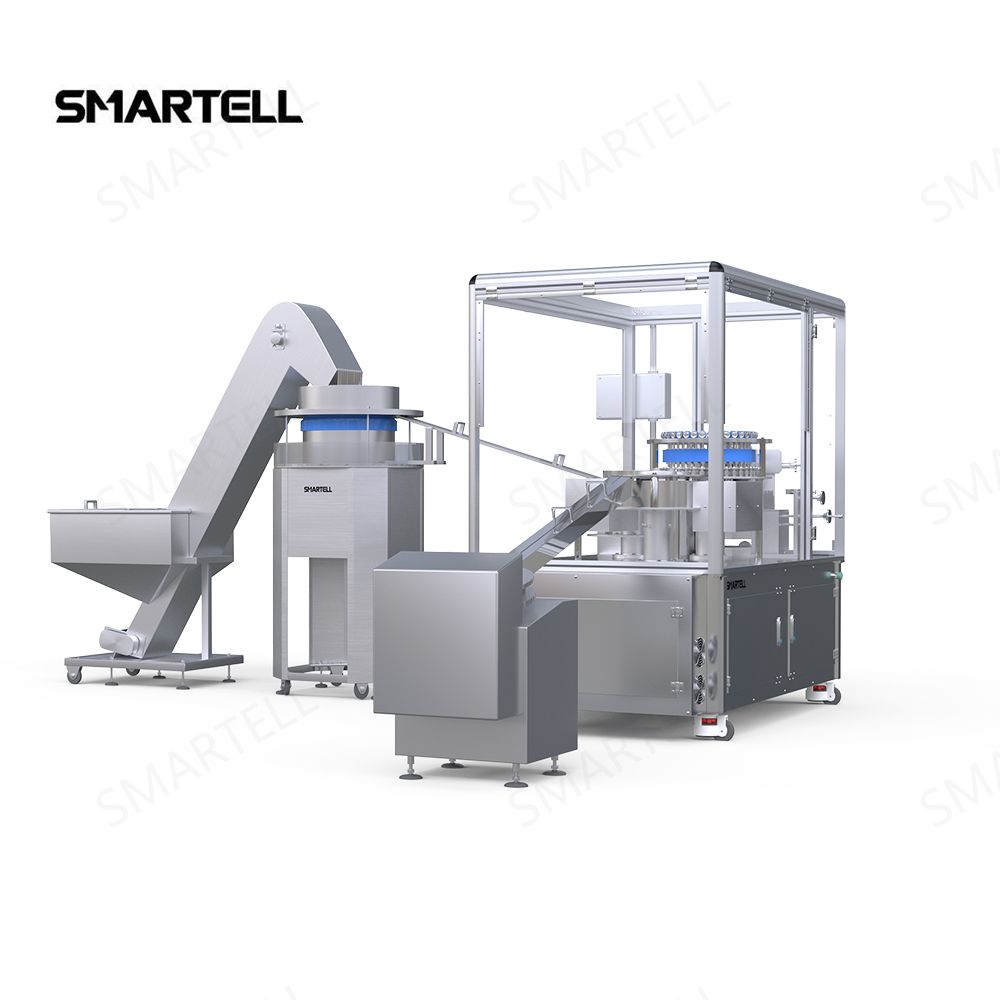
Precise scale marking on medical syringes is not merely an aesthetic requirement. It operates as a critical regulatory and patient safety mandate. The right syringe barrel printing machine directly impacts your production yield and compliance. Scaling up production introduces complex variables on the factory floor. You must manage diverse substrate materials like Polypropylene, Cyclic Olefin Polymers, and glass. You also face stringent cleanroom requirements daily. Manufacturers constantly balance ultra-fine resolution against high-speed throughput. This tension dictates every equipment choice you make.
This guide provides an evidence-based framework for evaluating machinery. It bridges the gap between raw technical specifications and real-world manufacturing outcomes. You will discover practical methods to optimize your line. We will examine core printing technologies, automation integration, and crucial material adaptability.
Technology Match: Pad printing dominates in multi-color accuracy and fine scale resolution (e.g., 0.01mL increments), while screen printing offers superior flexibility and single-color speed.
Throughput Dynamics: Upgrading to a rotary pad printer can effectively double production speed compared to traditional linear setups, reaching up to 4,300+ units per hour.
Compliance Reality: Any viable medical syringe printing equipment must seamlessly integrate into a Class 100,000 (ISO 8) purification workshop with low-particulate and low-noise emissions.
Material Variables: The machine's curing and ink-handling systems must be adaptable to varying barrel materials (PP, COC/COP) and opacities (clear, amber, black).
You must understand the distinct physical mechanics behind each technology. Resolution defines your starting point. You need ultra-fine graduation lines for pediatric or specialized dosing. Evaluate a syringe pad printing machine carefully here. Soft silicone pads compress gently against the curved barrel surface. They transfer ink flawlessly without smudging or distortion. This gentle transfer matches tight-tolerance Tuberculin or Insulin syringes perfectly. Screen printing uses a different physical approach entirely. It pushes a thicker ink deposit through a fine mesh using a squeegee. You achieve excellent visual opacity. However, the edge definition drops slightly when printing micro-scales.
Color registration introduces another major operational hurdle. Modern medical devices often require complex visuals. Pad printers maintain superior alignment naturally. You can handle four-color setups without significant drift. This stability proves ideal for multi-color medical syringe printing. You might print corporate logos and specific scale colors simultaneously. Screen printing struggles in this specific arena. It requires complex sequential setups for each distinct color layer. You risk microscopic alignment errors every time you apply a new color.
Setup times directly influence your daily production flexibility. Screen printers allow relatively fast screen swaps. You can change barrel sizes quickly when production schedules shift. Pad printing demands a more methodical approach. You must align silicone pads meticulously on the machine. Ink cups require thorough cleaning between pigment changes. You must calculate this specific downtime when planning your daily batch runs.
Feature/Metric | Pad Printing Technology | Screen Printing Technology |
|---|---|---|
Line Resolution | Exceptional (Ideal for 0.01mL precision) | Moderate (Best for standard macro scales) |
Ink Opacity | Thin deposit (requires high-density ink) | Thick deposit (excellent visual contrast) |
Multi-Color Alignment | Highly stable for simultaneous printing | Prone to minor registration errors |
Changeover Speed | Slower (requires pad alignment/cleaning) | Faster (quick mesh screen swaps) |
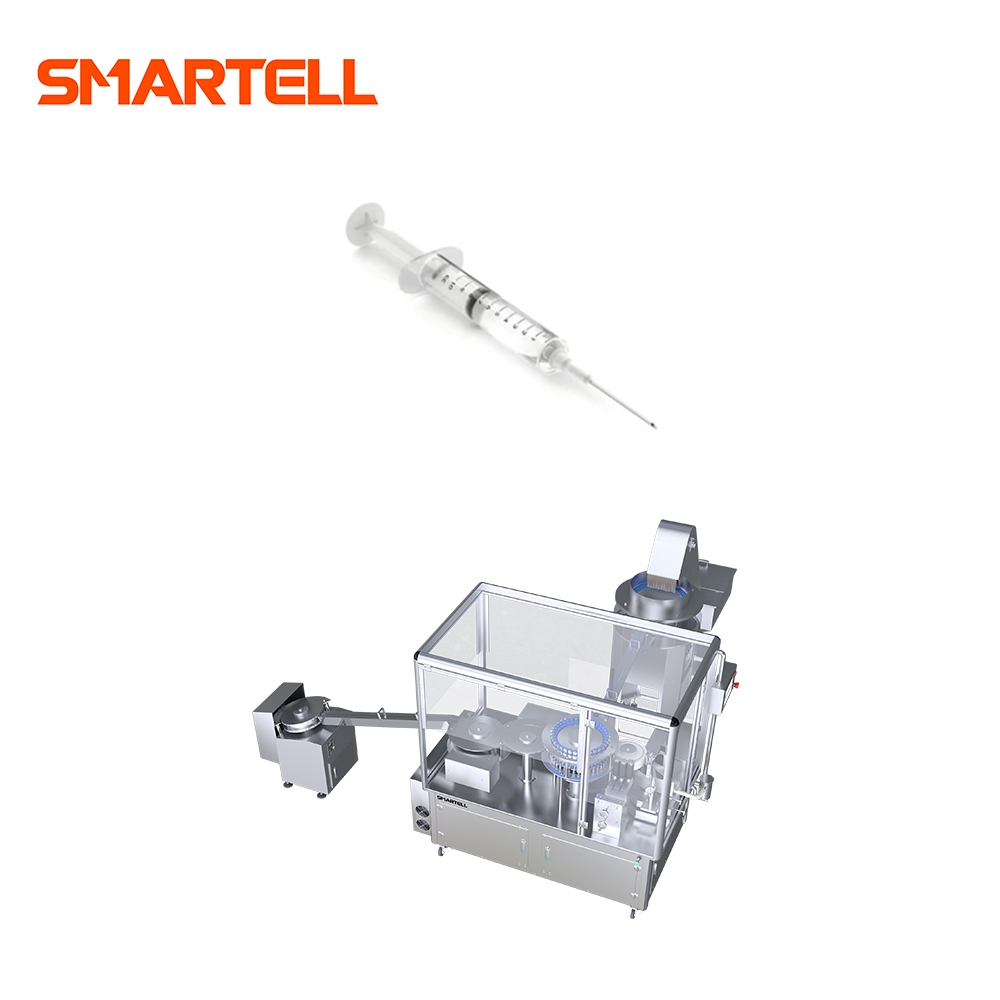
You must match machine kinematics to your exact output goals. Daily production volumes dictate your structural choices. Standard linear machines suit pilot runs perfectly. They handle low-volume specialty batches well. Think of expensive biological pre-filled syringes. A start-stop linear indexing motion works fine here. The system moves a part into position, pauses, prints, and moves again. This slower pacing allows operators to monitor highly sensitive materials.
High-volume production demands completely different mechanics. You produce commodity syringes daily. These units range from 1ml up to massive 60ml Luer lock models. A modern rotary pad printer solves the linear indexing delay. It uses a continuous-motion drum architecture. Parts rotate continuously through different operational stations. This setup effectively doubles your throughput metrics. You can easily surpass traditional linear systems, reaching thousands of units hourly.
Automation integration reduces manual intervention and prevents human error. You want machines running smoothly across entire shifts. Evaluate specific hardware hooks when speaking to vendors. Look for the following critical integration points:
Automatic centrifugal bowl feeders or vibratory hopper systems to guarantee continuous part supply.
In-line corona or flame pre-treatment modules positioned directly before the print station.
Integrated UV curing arrays or hot-air drying tunnels located immediately after the print zone.
Pre-treatment remains absolutely essential for modern manufacturing. You use low-surface-energy plastics like Polypropylene constantly. Medical inks simply slide off untreated PP surfaces. Drying tunnels prevent smearing during the final ejection phase. Syringes drop into collection bins immediately after printing. Wet ink ruins the entire batch instantly if curing fails.
Substrates vary wildly in today's medical device market. Your syringe barrel printer must adapt rapidly. Surface tension dictates how ink behaves. Standard Polypropylene requires rigorous, mandatory pre-treatment. You must use flame treatment or high-voltage corona discharge. These methods break molecular bonds on the surface. They create microscopic anchor points for the ink. Premium polymers behave completely differently. Cyclic Olefin Polymers (COP) and glass offer high purity for biologics. These premium substrates demand highly specific ink formulations. You usually need UV-curable or specialized medical-grade epoxy formulas for proper adhesion.
Barrel opacity adds another serious layer of complexity. Clear syringes dominate the standard clinical market. They allow rapid, highly efficient UV curing. Ultraviolet light hits the transparent barrel from multiple angles. Curing happens almost instantly. Special applications use amber or completely black syringes. These protect extremely light-sensitive fluids. However, they block standard curing lights. Dark barrels absorb UV energy differently. You might need thermal curing modules instead. You could also program longer exposure times. This precise adjustment ensures the ink cross-links completely without leaving toxic uncured monomers.
Adjustable tooling is vital for effective syringe scale printing. Manufacturers switch product sizes constantly throughout the week. You jump from 1mL micro-diameters to large 60mL feeding syringes. These varied barrels require massive stroke changes. The machine must handle these mechanical shifts smoothly. You should easily adjust holding fixtures and pressure settings. The equipment must accommodate these transitions without requiring entirely new baseline fixture configurations.
Medical environments operate under strict atmospheric rules. Syringe manufacturing occurs exclusively in Class 100,000 cleanrooms. ISO 8 standards apply rigidly here. Your equipment must meet these requirements perfectly. Machines need fully enclosed mechanical structures. You cannot allow any internal oil misting into the room. Exhaust systems must capture particulates efficiently. Airborne contamination threatens patient safety directly.
Drive systems impact cleanroom viability heavily. Prioritize all-mechanical setups whenever possible. Cam-driven machines outperform pneumatic-heavy models consistently. Compressed air pressure fluctuates often in large factories. Mechanical drives eliminate this operational risk entirely. They prevent sudden system overloads during power dips. These mechanical systems run smoothly and predictably. They operate quietly compared to air cylinders. Lower noise decibels improve operator focus immensely. You avoid the sudden, repetitive hissing of pneumatic exhaust valves entirely.
Modern controls simplify daily factory tasks. PLC-controlled touch screens provide immense operational value. You operate the complex machine through clear graphical menus. You also log critical batch data for regulatory compliance. Digital recipes store exact pressure parameters for different barrels. This feature slashes your setup times dramatically. You switch from 3ml to 10ml runs rapidly using saved data. The system also monitors maintenance intervals automatically. It alerts operators before components degrade and cause printing flaws.
Evaluating sophisticated machinery requires a highly structured approach. Follow these precise steps to eliminate operational guesswork:
Define the Minimum Viable Tolerance: Audit your absolute smallest required scale. Compare a 0.01mL Tuberculin increment against a standard 1.0mL line. Establish the exact baseline visual resolution needed. This strict requirement dictates your core technology choice immediately.
Calculate True Throughput (OEE): Ignore simple maximum speed claims found on brochures. Look at your Overall Equipment Effectiveness. Factor in your realistic daily setup times. Account for pad or screen cleaning intervals. Measure the inevitable delays from automated feeding bottlenecks.
Validate Ink and Curing Compatibility: Request physical sample prints directly from the vendor. Send your specific PP or COP barrels to their lab. Conduct aggressive adhesion tests upon return. Use standard tape lift tests. Simulate your actual autoclave sterilization processes. Verify the curing module's efficacy physically.
Assess Vendor Support and Tooling Adaptability: Examine the availability of critical replacements. Look at silicone pads, steel cliches, and mesh screens. Review the vendor's service level agreement (SLA) carefully. Ensure replacement parts arrive rapidly. Check if specialty medical inks are consistently accessible.
Selecting the optimal printing machinery directly impacts product safety and regulatory success. Pad printing offers exceptional precision for micro-scales. It handles multi-color alignment flawlessly. Screen printing provides incredible visual opacity for standard macro scales. Rotary systems establish the modern standard for maximizing high-volume output.
Determine your strict numerical tolerance needs before browsing equipment models.
Prioritize all-mechanical, cam-driven units to maintain strict cleanroom integrity.
Match your curing modules exactly to your barrel substrate and color opacity.
Mandate a comprehensive Factory Acceptance Test (FAT) prior to shipping.
Use your actual factory barrels and specified medical-grade ink during this testing phase.
A: This typically indicates a surface tension issue. Polypropylene holds a naturally low surface energy. Inks cannot bond effectively to raw PP. You require proper pre-treatment prior to printing. Use flame or corona discharge modules. This treatment raises the surface energy significantly. It ensures the ink binds securely to the substrate.
A: Yes, but it requires highly flexible tooling. The equipment must feature modular designs. Operators must swap holding fixtures carefully. You must adjust print strokes considerably. However, extreme size differences cause unacceptably long changeover times. Operating dedicated lines often proves more efficient for high volumes.
A: A linear machine relies on a start-stop indexing motion. The barrel moves, stops, gets printed, and moves again. A rotary machine uses a continuous rotating dial. This architecture allows simultaneous actions. Loading, pre-treating, printing, and unloading happen at different stations concurrently without stopping.