
Views: 0 Author: Site Editor Publish Time: 2025-09-16 Origin: Site
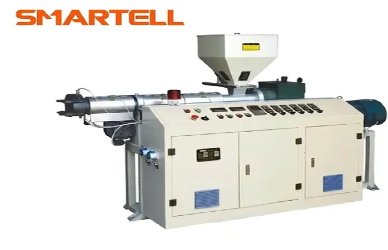
PVC tube extrusion is a widely used manufacturing process in which raw PVC material is melted and forced through a mold to form continuous tubes of specific diameters and wall thicknesses. A critical step in this process is effective cooling, which ensures that the extruded tubes maintain their shape, dimensional accuracy, and surface quality. Improper or uneven cooling can lead to warping, deformation, or internal stresses, affecting the final product quality.
This article aims to highlight the importance of stainless steel cooling tanks in PVC tube extrusion, explaining why they are the preferred choice for manufacturers seeking durable, efficient, and high-quality cooling solutions. By understanding their advantages, operators can optimize production and maintain consistent tube quality.
Effective cooling is a critical step in the PVC tube extrusion process, directly impacting the quality, durability, and precision of the final product. The cooling stage occurs immediately after the PVC material exits the mold, and it serves several key functions:
Once the PVC material is shaped by the mold head, it is still in a semi-molten state. Cooling tanks provide controlled and rapid solidification, allowing the tube to retain its intended shape. Proper cooling prevents soft spots and ensures that the tubes are ready for downstream processes such as cutting, stacking, or coiling.
Cooling helps preserve the outer diameter, inner diameter, and wall thickness of the tubes within precise tolerances. Even cooling prevents irregular shrinkage, ensuring smooth surfaces and consistent tube geometry. This is particularly important for applications like plumbing, electrical conduits, and medical tubing, where precision is critical for compatibility and performance.
Uneven or insufficient cooling can cause warping, bending, or internal stress, which compromises mechanical properties and leads to product defects. Stainless steel cooling tanks, with their uniform heat transfer and stable water circulation, help minimize these risks, ensuring the tubes remain straight, strong, and durable throughout their length.
Stainless steel cooling tanks are an essential component in PVC tube extrusion systems, offering multiple benefits that enhance product quality, operational efficiency, and long-term reliability.
Stainless steel is highly resistant to water, chemicals, and long-term wear, making it ideal for continuous contact with water and cooling agents. Compared to carbon steel or plastic tanks, stainless steel exhibits superior durability, reducing the risk of corrosion, leaks, or structural failure over time. This longevity ensures that manufacturers can rely on consistent cooling performance for years, minimizing the need for frequent replacements and lowering overall equipment costs.
The thermal conductivity of stainless steel ensures even and consistent cooling across the entire tank, preventing hot spots or uneven solidification of PVC tubes. Uniform cooling helps maintain dimensional stability, smooth surfaces, and precise wall thickness. Additionally, efficient heat transfer supports faster production speeds, allowing extrusion lines to operate at optimal capacity without compromising tube quality or causing defects such as warping or internal stress.
Stainless steel tanks are easy to clean and maintain, ensuring that the water in the cooling system remains free of contaminants. They are resistant to algae growth, rust, and microbial contamination, which can occur in long-term water circulation systems. This makes them particularly suitable for manufacturing medical, potable water, or food-grade PVC tubes, where hygiene standards are critical. Routine maintenance is simpler, reducing downtime and keeping production lines running smoothly.
Using stainless steel cooling tanks offers environmental advantages by reducing water contamination risks and supporting energy-efficient operations. Operationally, they help minimize maintenance costs and unexpected downtime, while providing consistent and reliable cooling for every tube produced. This reliability translates into fewer defects, lower scrap rates, and more efficient use of raw materials, contributing to both economic and environmental sustainability.
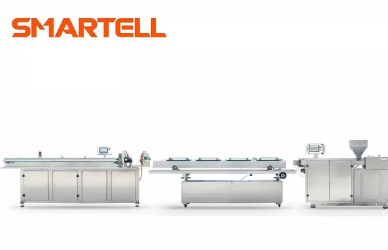
Stainless steel cooling tanks play a crucial role in ensuring smooth operation and high-quality output in PVC tube extrusion lines. Their design and integration directly affect cooling efficiency, tube consistency, and overall production performance.
A well-designed stainless steel cooling tank integrates seamlessly with the extruder, mold head, and auto feeder systems. The extruder pushes molten PVC through the mold head to shape the tube, while the auto feeder ensures a consistent supply of raw material. The cooling tank immediately receives the extruded tube, allowing it to solidify while maintaining its intended diameter and wall thickness. Proper alignment and integration prevent tube deformation, misalignment, or damage during the cooling process.
Uniform cooling is critical to avoid warping or internal stress. Stainless steel tanks are often equipped with circulation pumps, baffles, and water flow channels to ensure that water flows evenly across the entire tank. Proper water circulation maintains consistent temperature and cooling rate, ensuring that the entire length of the tube solidifies uniformly. This is especially important for long tubes or high-speed extrusion lines, where uneven cooling could lead to defects or increased scrap rates.
Stainless steel cooling tanks can be customized to accommodate various tube diameters, wall thicknesses, and production speeds. Adjustable inlet and outlet positions, variable water flow settings, and tank lengths can be tailored to match the specific extrusion line requirements. This flexibility allows manufacturers to produce a wide range of PVC tubes efficiently, without compromising quality or throughput.
Stainless steel cooling tanks are effective, but some challenges can affect tube quality and efficiency. Understanding these issues and applying solutions ensures consistent output.
Scaling and Mineral Deposits: Hard water can cause lime scale, reducing cooling efficiency.
Water Leakage: Poor installation or worn seals may lead to leaks, affecting performance.
Uneven Cooling: Insufficient water flow can create hot spots, causing tube warping.
Water Treatment: Use filtered or treated water to prevent scaling.
Regular Maintenance: Inspect, clean, and replace components as needed.
Proper Installation: Ensure the tank is level, well-connected, and equipped with functional pumps.
Pre-designed stainless steel tanks offer optimized water flow, reinforced construction, and easy integration with extruders and mold heads. They reduce downtime, improve tube quality, and enhance production efficiency.
Selecting the right stainless steel cooling tank is crucial for consistent tube quality and efficient PVC extrusion. Key factors include:
Choose a tank that matches the production output. Too small may cause insufficient cooling; too large wastes space and water. Proper sizing ensures smooth production and minimal defects.
Gravity Flow: Simple, energy-efficient, suitable for moderate-speed lines.
Pump-Assisted Flow: Ensures uniform cooling, ideal for high-speed or long extrusion lines.
Ensure compatibility with the extruder, mold head, and downstream cutting units. Adjustable inlets, flow control, and proper mounting support continuous, precise production.
While stainless steel tanks have a higher upfront cost, they offer long-term durability, low maintenance, and reliable performance, maximizing ROI and operational efficiency.
Proper cooling is vital in PVC tube extrusion to ensure dimensional accuracy, surface quality, and structural integrity. Stainless steel cooling tanks provide a durable, reliable, and efficient solution, offering uniform cooling, corrosion resistance, and long-term performance.
Manufacturers seeking consistent tube quality, reduced defects, and lower maintenance costs should consider stainless steel cooling tanks as an integral part of their PVC tube extruding machines. By investing in high-quality cooling systems, production lines can achieve better efficiency, longer equipment lifespan, and overall operational excellence.