Views: 220 Author: Amber Lin Publish Time: 2026-08-03 Origin: Site

Syringe Full-Line Production System:
Molds, Machines & Complete Manufacturing Solution
A modern syringe production line is an integrated system that converts medical-grade raw materials into sterile, ready-to-use syringes through a highly controlled, automated process. It combines precision molds, injection molding machines, printing systems, assembly equipment, blister packaging machines, and ETO sterilization systems—supported by optimized workshop layout design, installation services, and full technical support.
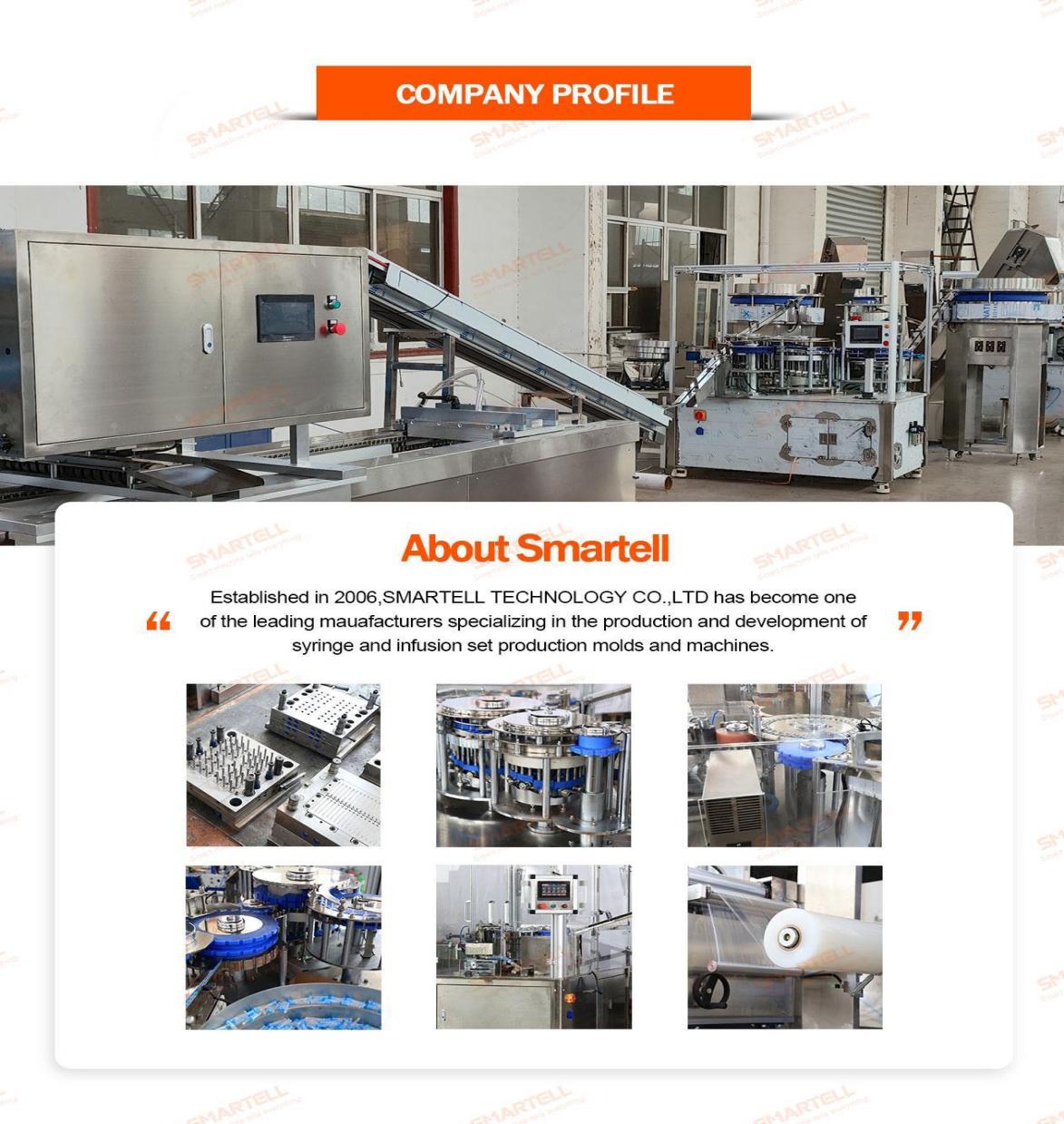
Below is a structured overview of the complete syringe manufacturing workflow and equipment configuration. SMARTELL can provide you the turnkey solution to set up a profitable and professional syringe plant with our 20 years of experience and 10+ years of technical and sales team:
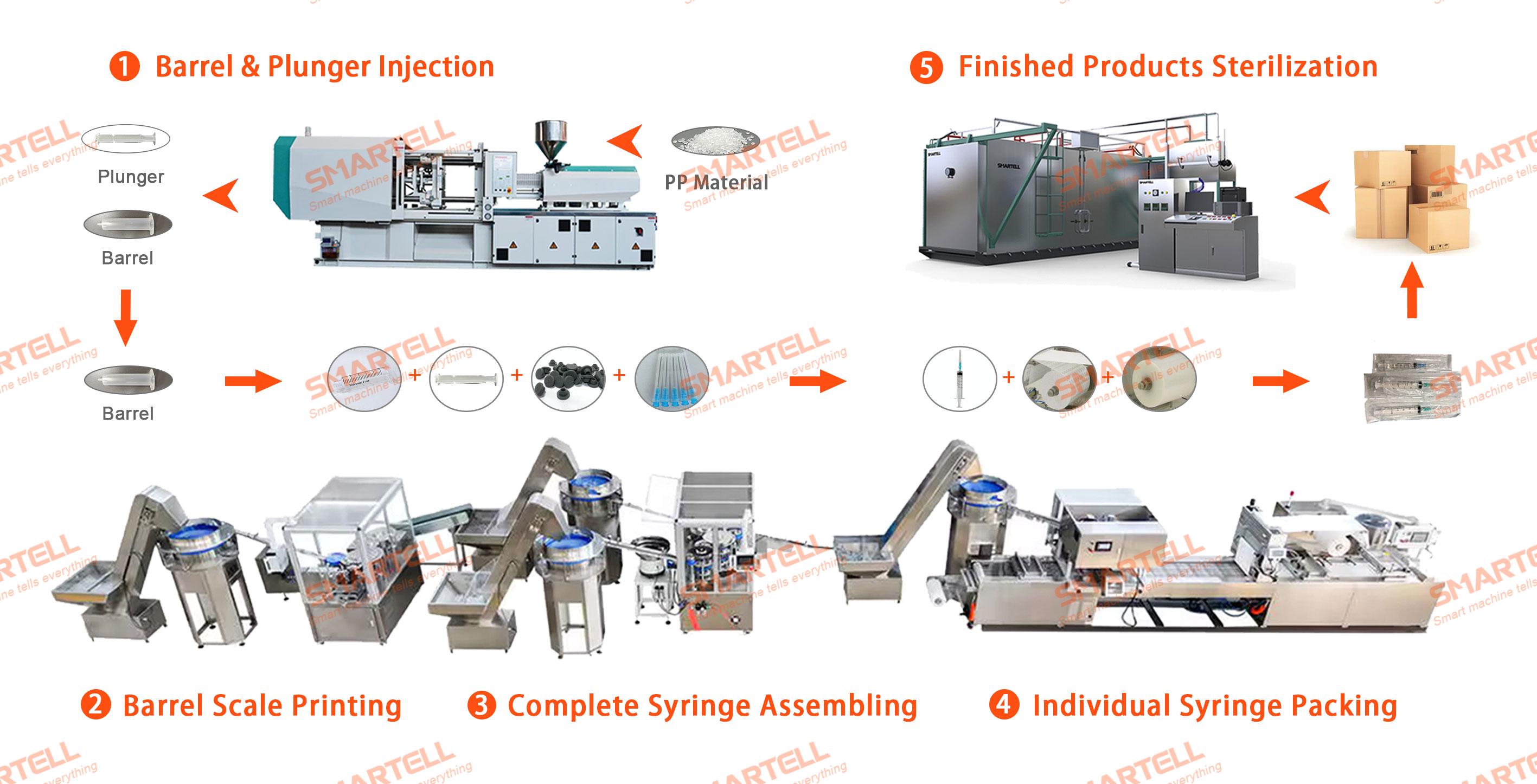
1. Production Process Overview (End-to-End Flow)
A typical syringe full-line production process includes:
1. Raw material preparation
2. Injection molding of syringe components (molds + IMM)
3. Syringe barrel pad printing
4. Automated syringe assembly
5. Blister packaging+ outer carton packing
6. ETO sterilization
7. Final inspection, labeling, and marketing
Each stage is designed to ensure high precision, medical compliance, and mass production efficiency.
2. Injection Molds (Core of Component Manufacturing)
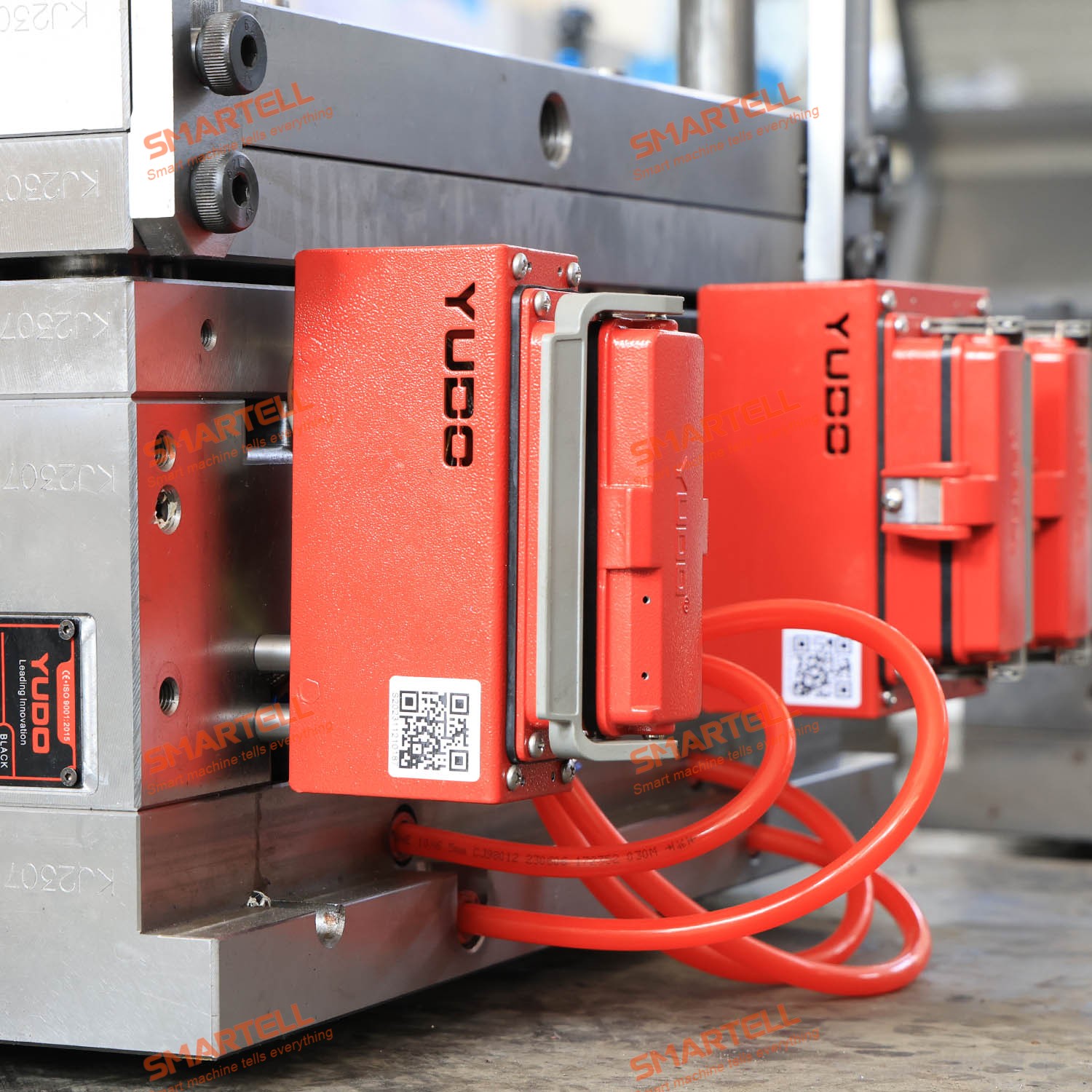
Injection molds determine the accuracy and consistency of syringe parts such as barrels, plungers, gaskets and hubs,caps.
Key mold types:
• Multi-cavity syringe barrel molds
High-efficiency molds (16–96 cavities depending on capacity requirements) for mass production.
• Plunger and rubber stopper molds
Designed for elastic sealing components requiring tight dimensional control.
• Luer tip and cap molds
Precision molds ensuring secure connection and leakage prevention.

Technical features:
• Medical-grade tool steel (H13 / S136 / P20)
• Hot runner systems for material saving and stable flow
• High-precision polishing for transparent barrel clarity
• Balanced cavity design for uniform filling
• Long-life wear-resistant coatings (optional DLC / chrome)
3. Injection Molding Machines (IMM)
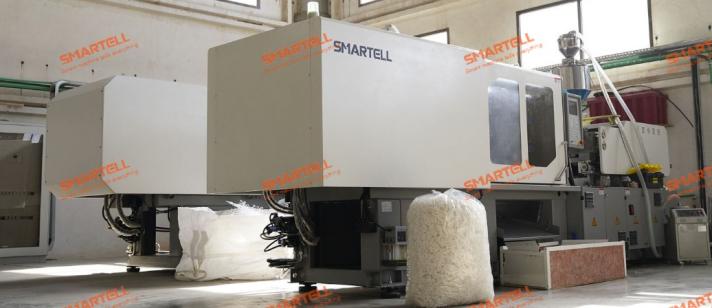
Injection molding machines produce syringe components with high repeatability and cleanliness.

Machine characteristics:
• All-electric or hybrid IMM for medical-grade production
• High precision temperature and injection control
• Cleanroom-compatible design (ISO-class production)
• Stable cycle time for multi-cavity molds
• Servo-driven systems for energy efficiency
Key production outputs:
• Syringe barrels (PP medical-grade material)
• Plungers and gaskets(stoppers)
• Protective caps and auxiliary parts
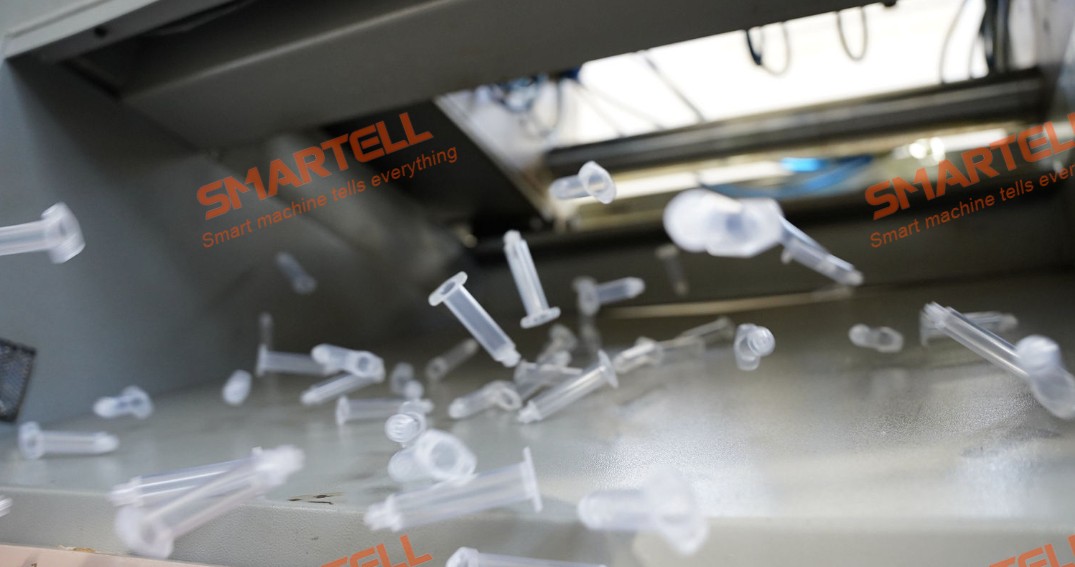
4. Syringe Barrel Pad Printing Machine
After molding, syringe barrels require clear, durable graduation printing+silicone oil spaying.
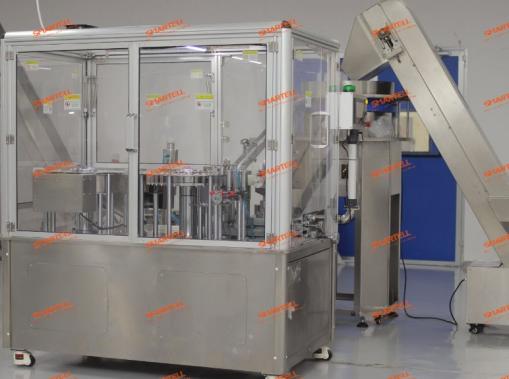
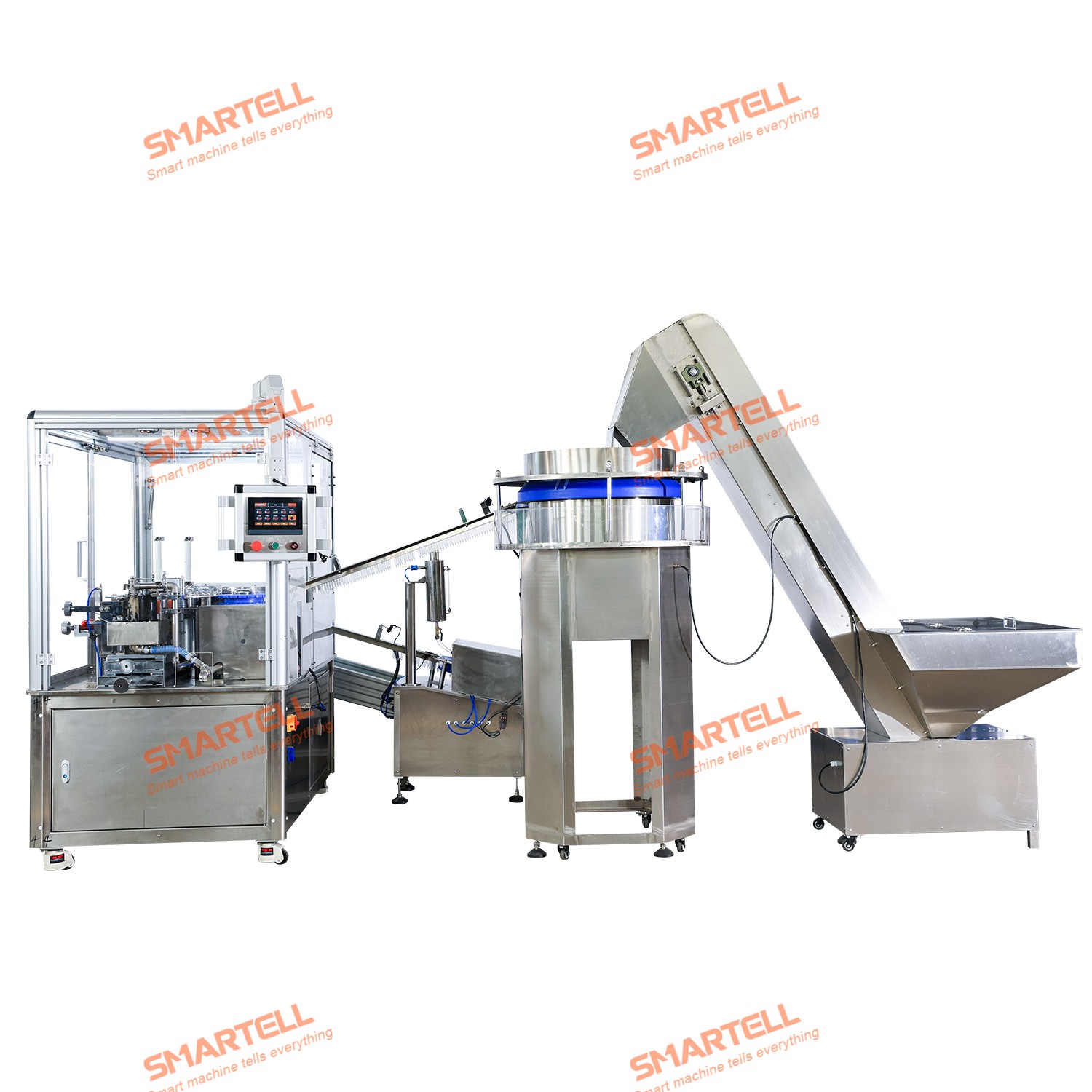
Function:
• Prints volume scales (ml markings)
• Adds brand logo or specification text
• Ensures long-lasting, medical-grade ink adhesion
• Medical silicone oil spaying into barrel inner wall

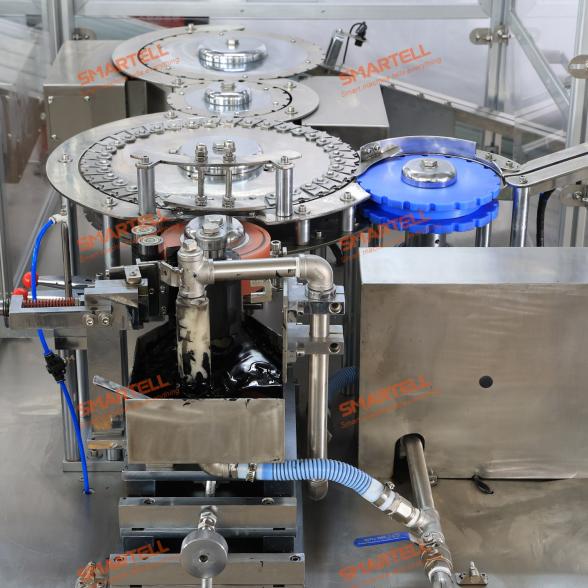
Features:
• Single-color pad printing capability
• High-precision alignment system for curved surfaces
• Solvent-based ink compatibility
• Automatic feeding and discharge system
• Vision inspection for print quality control (Optional)
This step ensures readability, compliance, and user safety during medical usage.
5. Syringe Assembly Machine
The assembly system integrates all syringe components into a complete product.
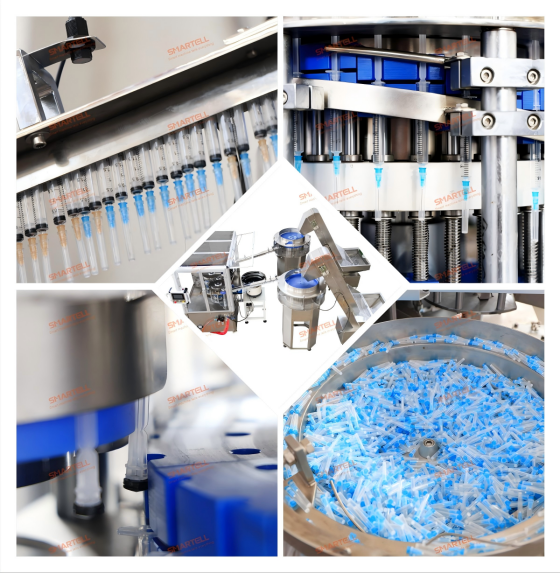
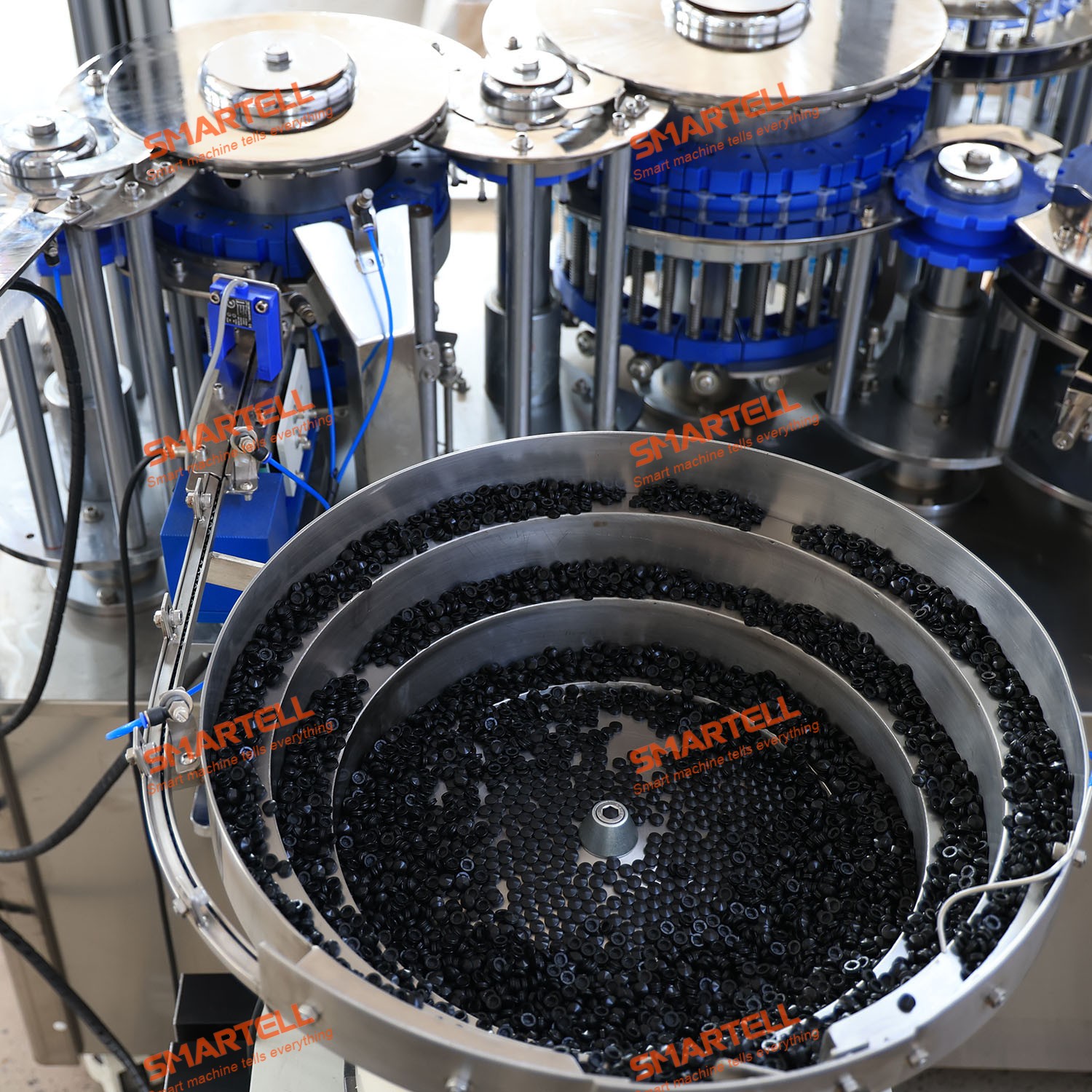
Process includes:
• Barrel and plunger automatic feeding
• Rubber gasket insertion (if required)
• Hypodermic needle assembly (depending on design)
• Lubrication system (silicone oil micro-spray if needed)
• Functional movement testing
•
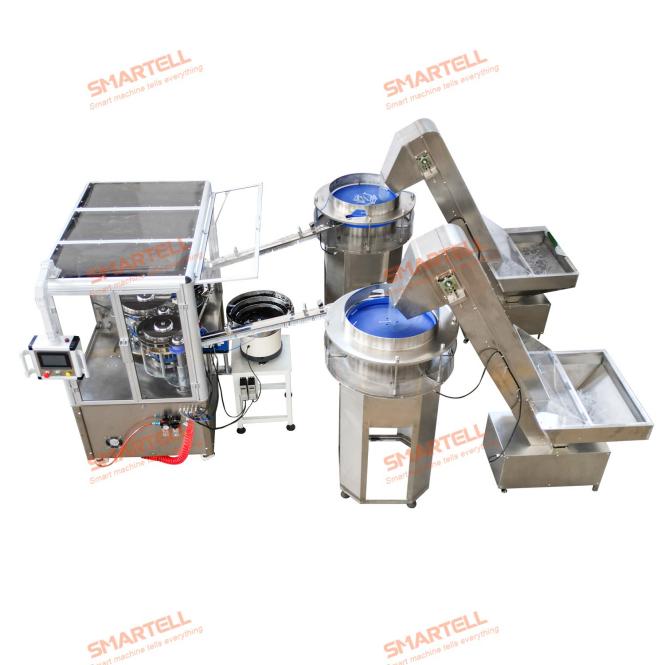
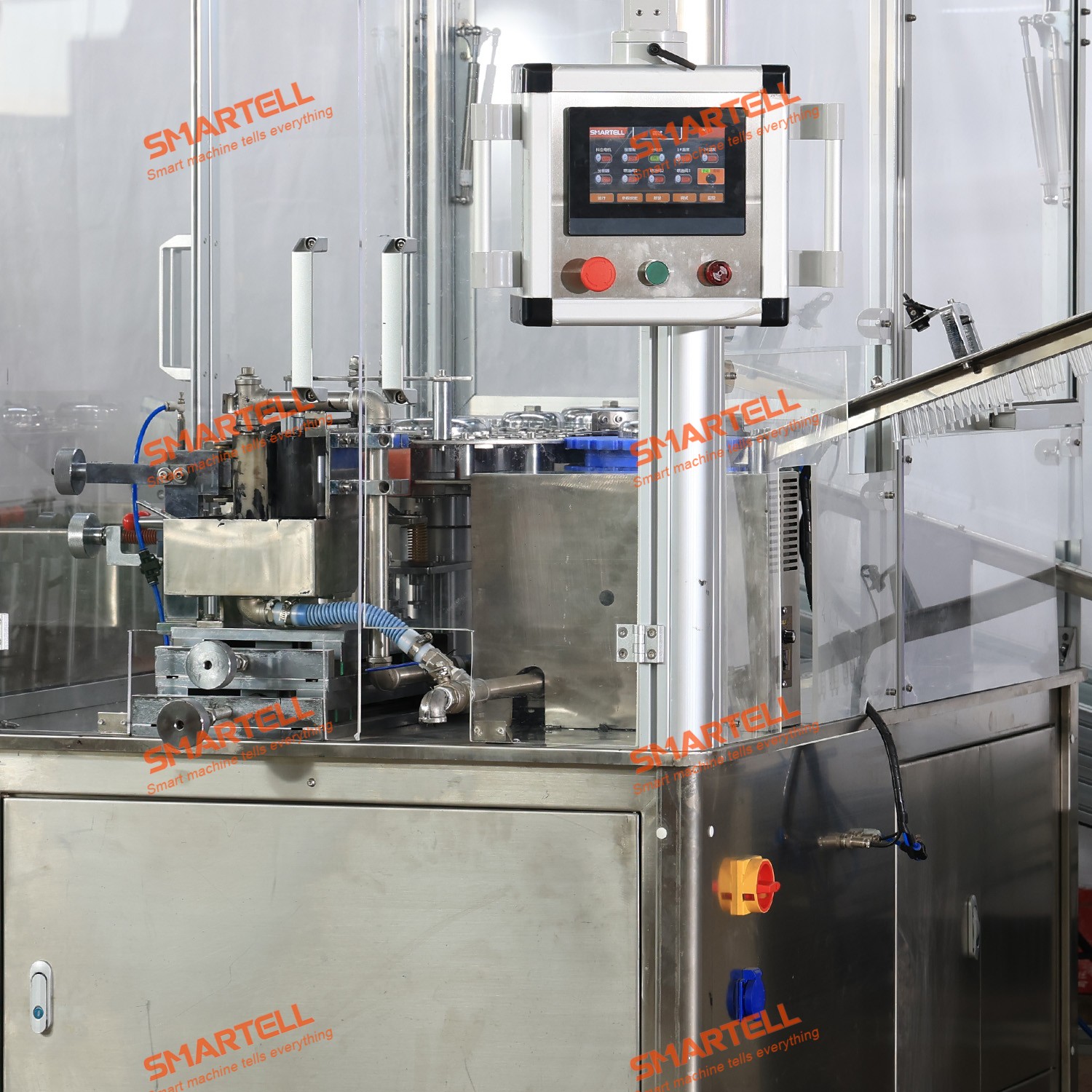
Features:
• Fully automated servo-controlled assembly line
• High-speed loading-and-place system
• PLC+Control Panel,Real-time defect detection
• Models for different syringe sizes (1ml–50ml or more)
• Cleanroom-ready structure to prevent contamination
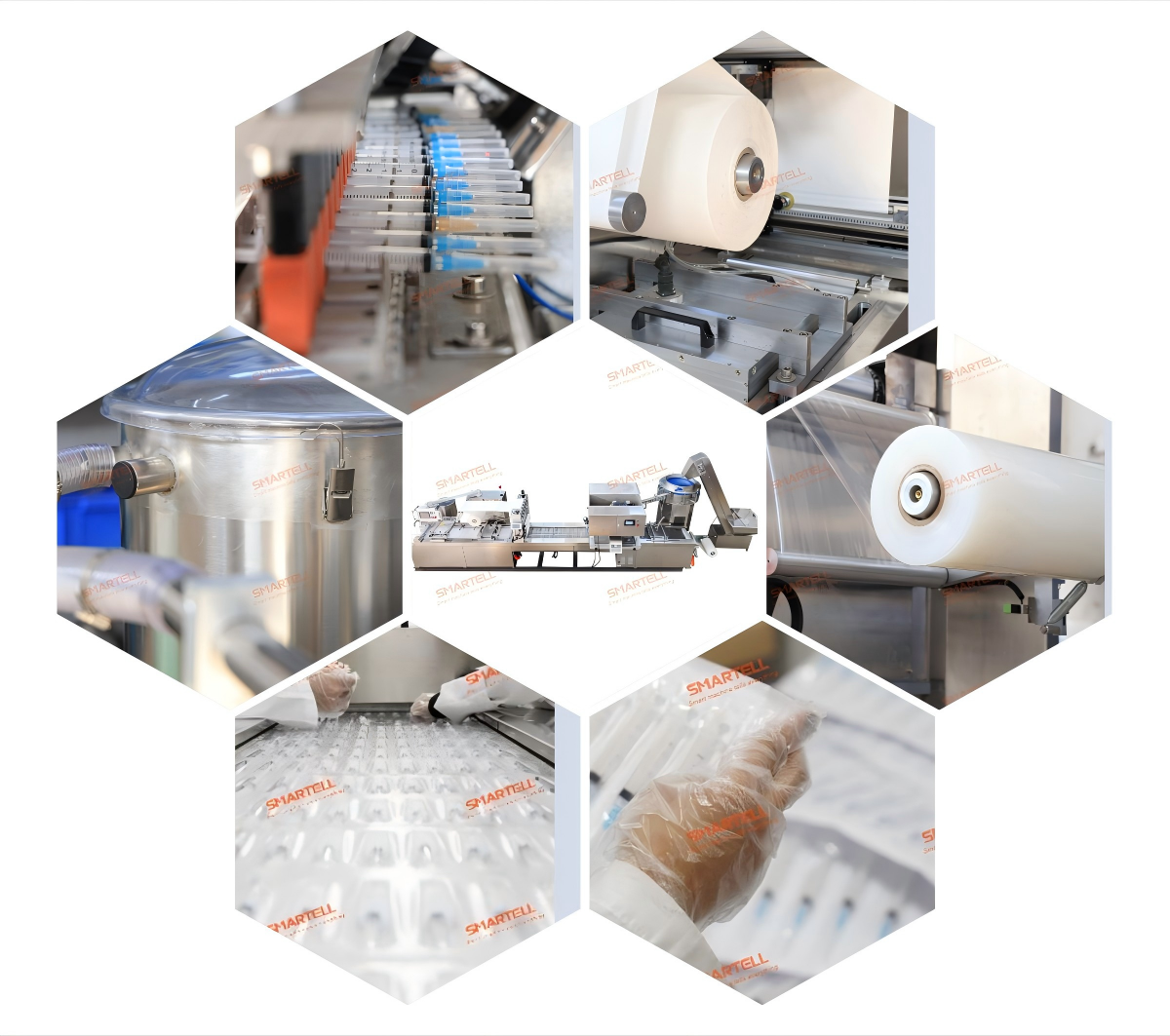
6. Syringe Blister Packing Machine
Blister packaging ensures sterile barrier protection and product integrity.
Functions:
• Automatic loading of assembled syringes
• Thermoforming of medical-grade blister trays
• Sealing with medical coated paper and co-extrusion film
• Batch coding and traceability printing
Technical features:
• High-speed thermoforming system
• Precise temperature and pressure control
• Compatible with various syringe sizes
• Clean sealing environment for medical packaging
• Integrated rejection system for defective packs
7. ETO Sterilization Machine
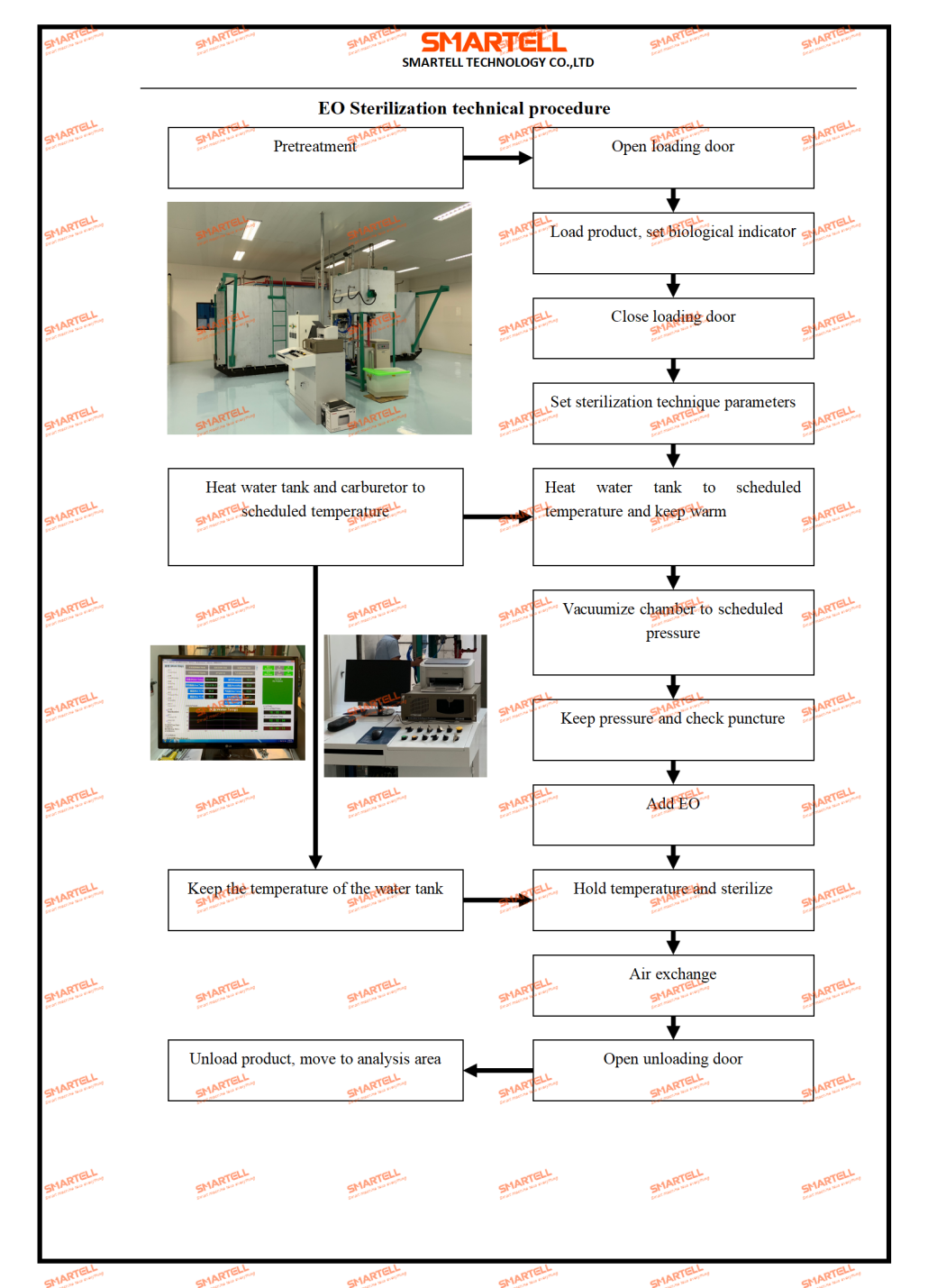
Ethylene Oxide (ETO) sterilization is widely used for medical disposable syringes and other medical products (infusion set, gloves,gauze,etc)plant use.
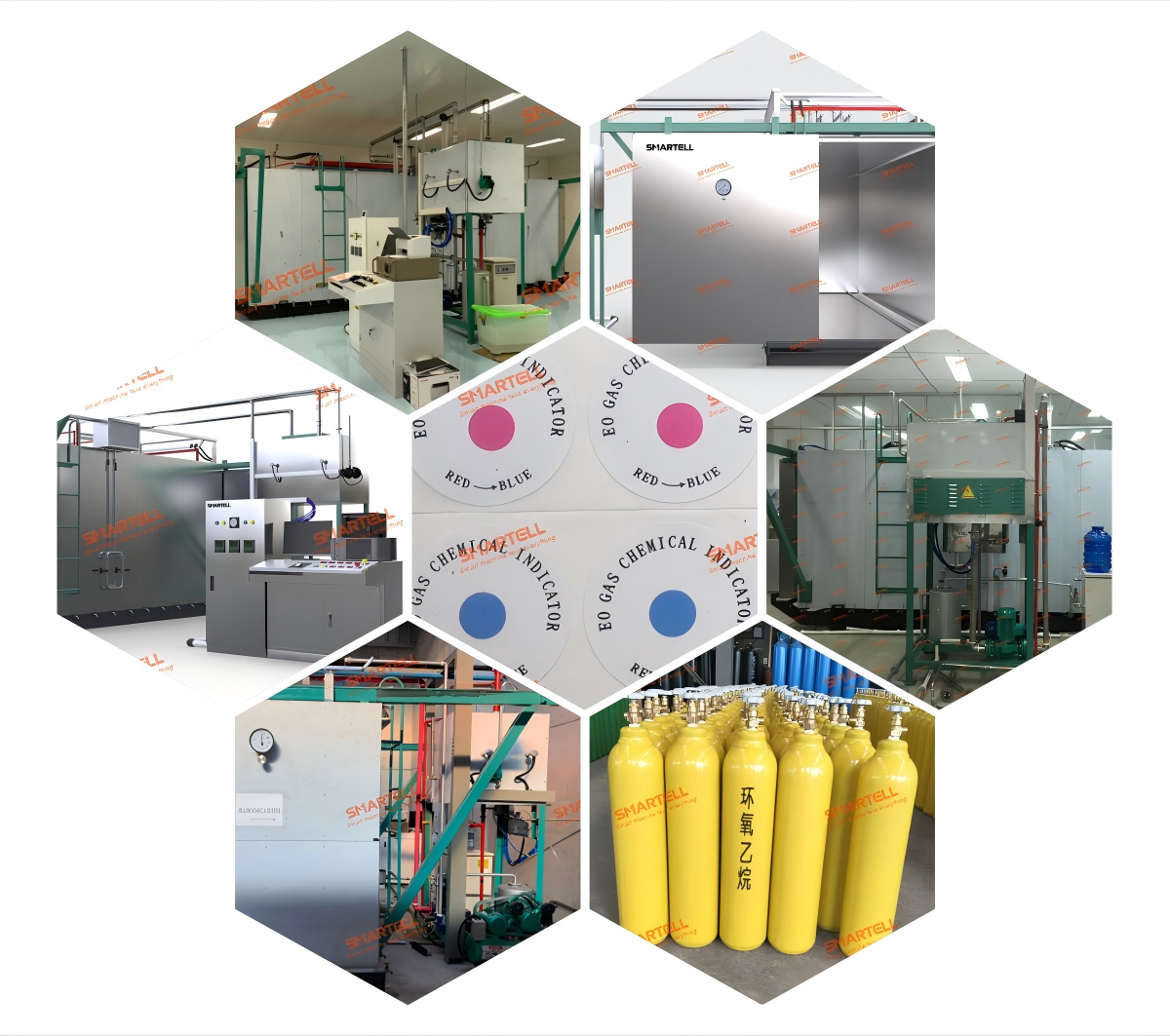
Process:
• Pre-conditioning (temperature & pressure&humidity adjustment)
• Goods loading(after outer carton packing)+ EO gas adding
• ETO gas exposure sterilization cycle
• Aeration phase to remove residual gas
• Final sterile product release
Features:
• Fully sealed sterilization chamber
• Precise gas concentration control
• Automatic cycle control system (PLC/HMI)
• Safety interlocks and gas monitoring system
• Complies with international sterilization standards
ETO ensures complete microbial elimination while maintaining material integrity.
8. Workshop Layout Design
A well-planned workshop layout improves efficiency, cleanliness, and compliance.
Recommended layout zoning:
1. Raw material storage area
2. Injection molding zone
3. Printing cleanroom area
4. Assembly cleanroom area
5. Blister packaging clean area
6. Boxing and outer packing area
7. ETO sterilization zone (isolated)
8. Finished goods warehouse
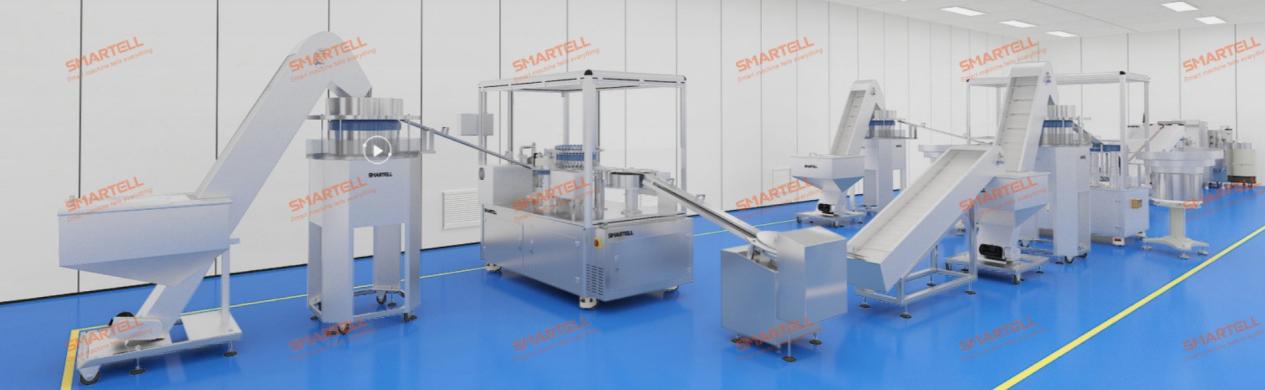
Layout advantages:
• Unidirectional material flow (reduces contamination risk)
• Separate clean and non-clean zones
• Optimized operator and material movement paths
• Easy maintenance and scalability for future expansion
Cleanroom classification (e.g., ISO Class 7–8) is typically required for printing,assembly and packaging areas.
9. Production Materials
Typical medical-grade materials used in syringe manufacturing include:
• Barrel: Medical-grade polypropylene (PP), high transparency, chemical resistance
• Plunger: Polypropylene or polyethylene with TPE sealing ring
• Gasket/Seal: Silicone rubber or medical-grade elastomer
• Ink for printing: Biocompatible medical ink (resistant to sterilization)
• Packaging film: Medical coated paper,medical PET/PE composite films

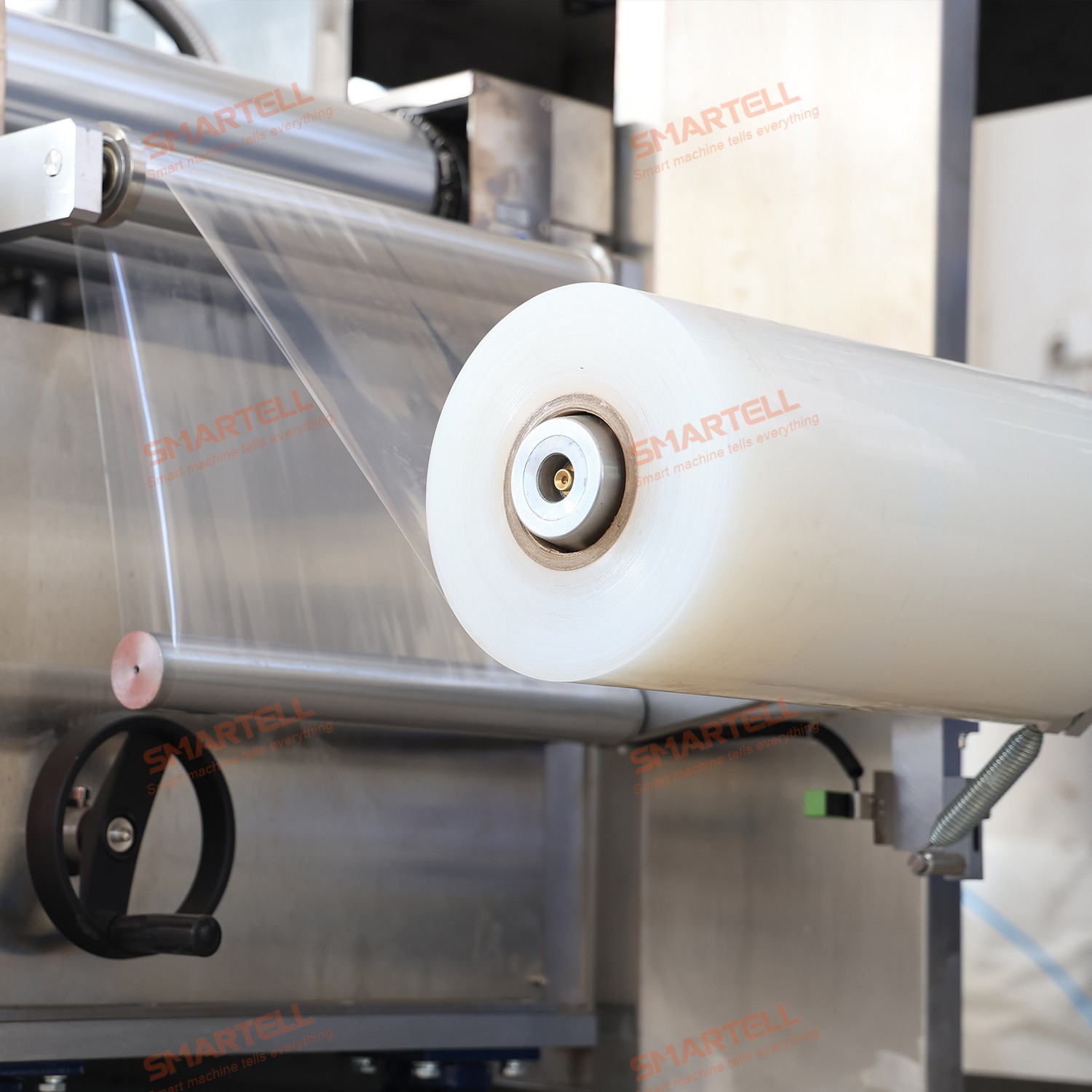
All materials must comply with ISO 10993 biocompatibility requirements and relevant regulatory standards.
10. Field Installation & Commissioning Service
Complete turnkey installation services are available to ensure smooth production startup.
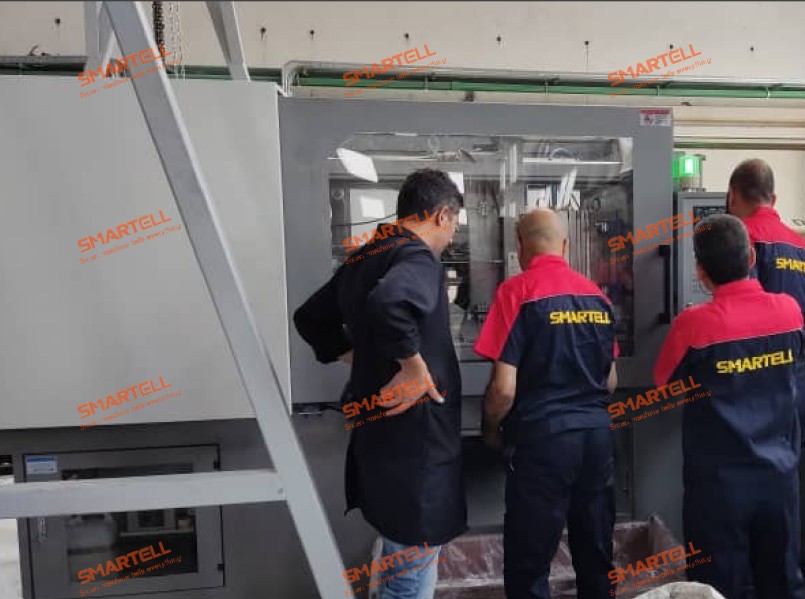
Service scope:
• Equipment installation and alignment
• Mold installation and trial molding
• Machine parameter setting and optimization
• Full line debugging and integration
• Operator training and SOP development
• Production ramp-up support
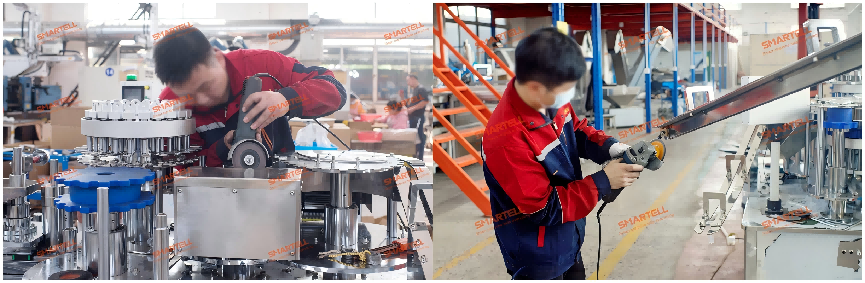
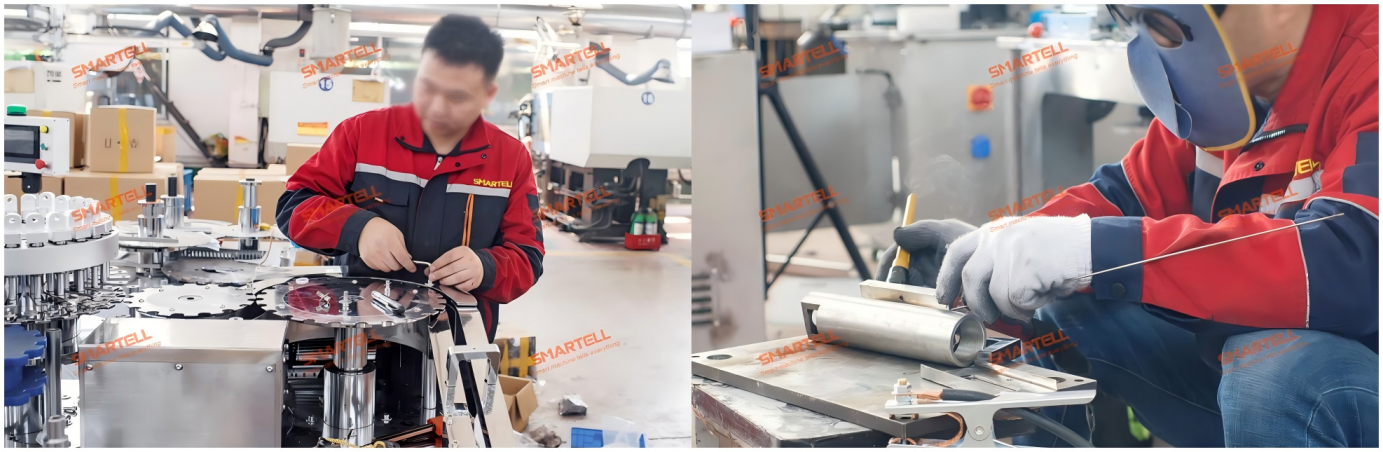
On-site benefits:
• Faster production launch
• Reduced startup risk
• Optimized machine performance from day one
• Ensured compliance with medical manufacturing standards
11. Technical Support & After-Sales Service
Comprehensive technical support is provided throughout the lifecycle of the production line.
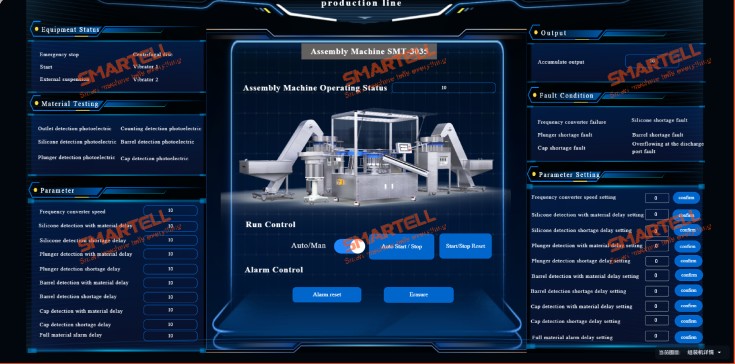
Support includes:
• Remote and on-site troubleshooting
• Spare parts supply and mold maintenance
• Process optimization guidance
• Software and control system updates
• Preventive maintenance programs
• Production capacity upgrade solutions
12. Summary
A syringe full-line production system integrates precision molds, advanced injection molding machines, pad printing systems, automated assembly lines, blister packaging equipment, and ETO sterilization technology into a continuous, highly controlled manufacturing process.
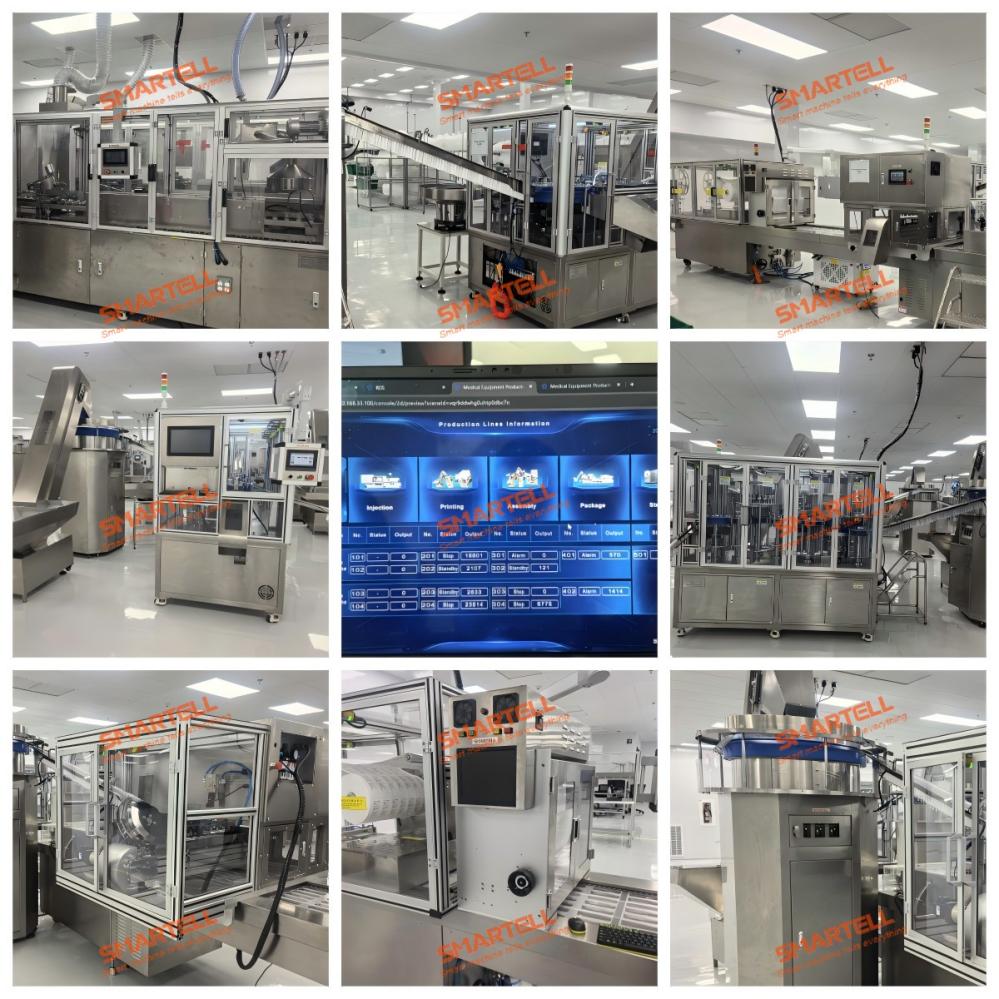
With proper workshop layout design, medical-grade materials, and full technical support including installation and commissioning services, manufacturers can achieve:
• High production efficiency
• Stable product quality
• Full regulatory compliance
• Scalable mass production capability