| Availability: | |
|---|---|
| Quantity: | |
SMT-3104
Smartell


Basic Parameter
Capacity | 60,000pcs per hour (for master) |
Operation of worker | 1 inspector |
Extra air pressure | ≥0.60Mpa |
Extra airflow | ≥300ml/min |
Power supply | 380V * 50Hz*15Kw*3P+N+PE |
8Kw for Normal working time | |
14Kw for working after half an hour | |
Dimension | 7m(L)*3.4m(W)*1.6m(H) |
Weight | 3ton |
All parameters and dimensions are subject to change without prior notice.


Basic Parameter
Capacity | 60,000pcs per hour (for master) |
Operation of worker | 1 inspector |
Extra air pressure | ≥0.60Mpa |
Extra airflow | ≥300ml/min |
Power supply | 380V * 50Hz*15Kw*3P+N+PE |
8Kw for Normal working time | |
14Kw for working after half an hour | |
Dimension | 7m(L)*3.4m(W)*1.6m(H) |
Weight | 3ton |
All parameters and dimensions are subject to change without prior notice.
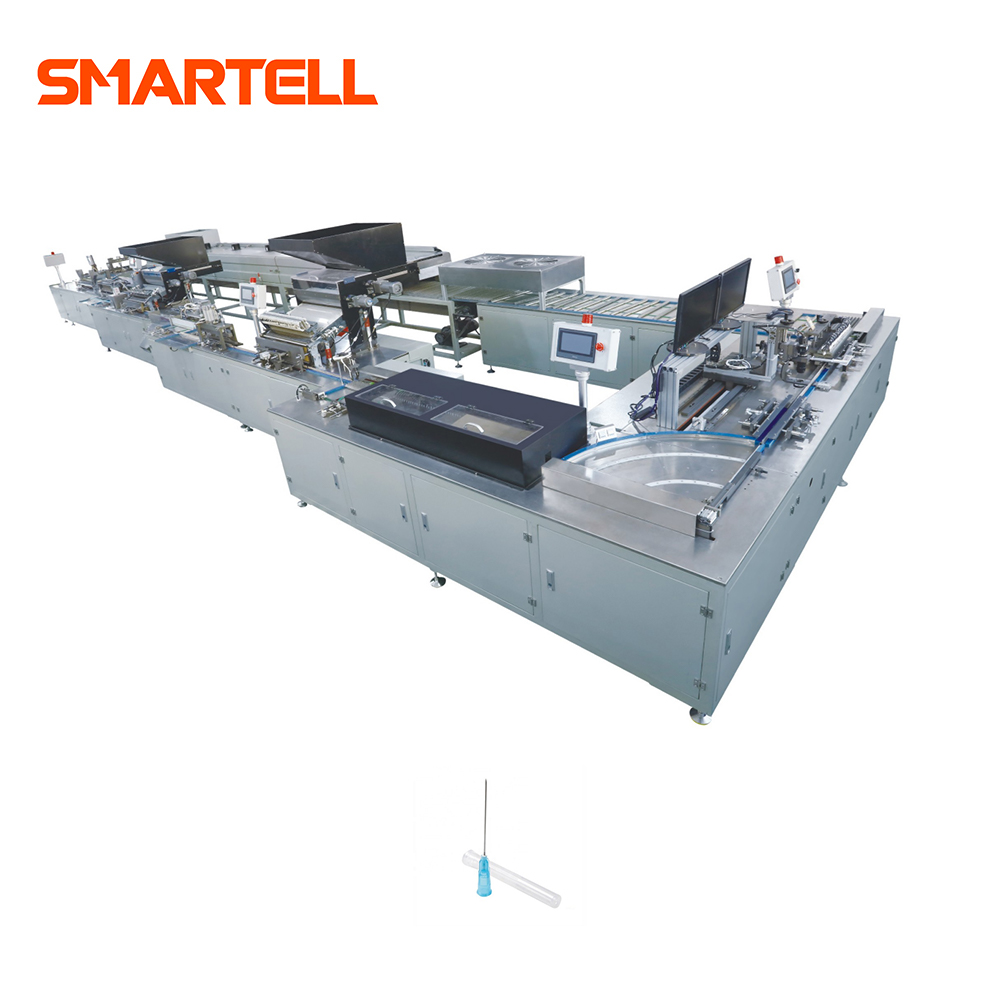
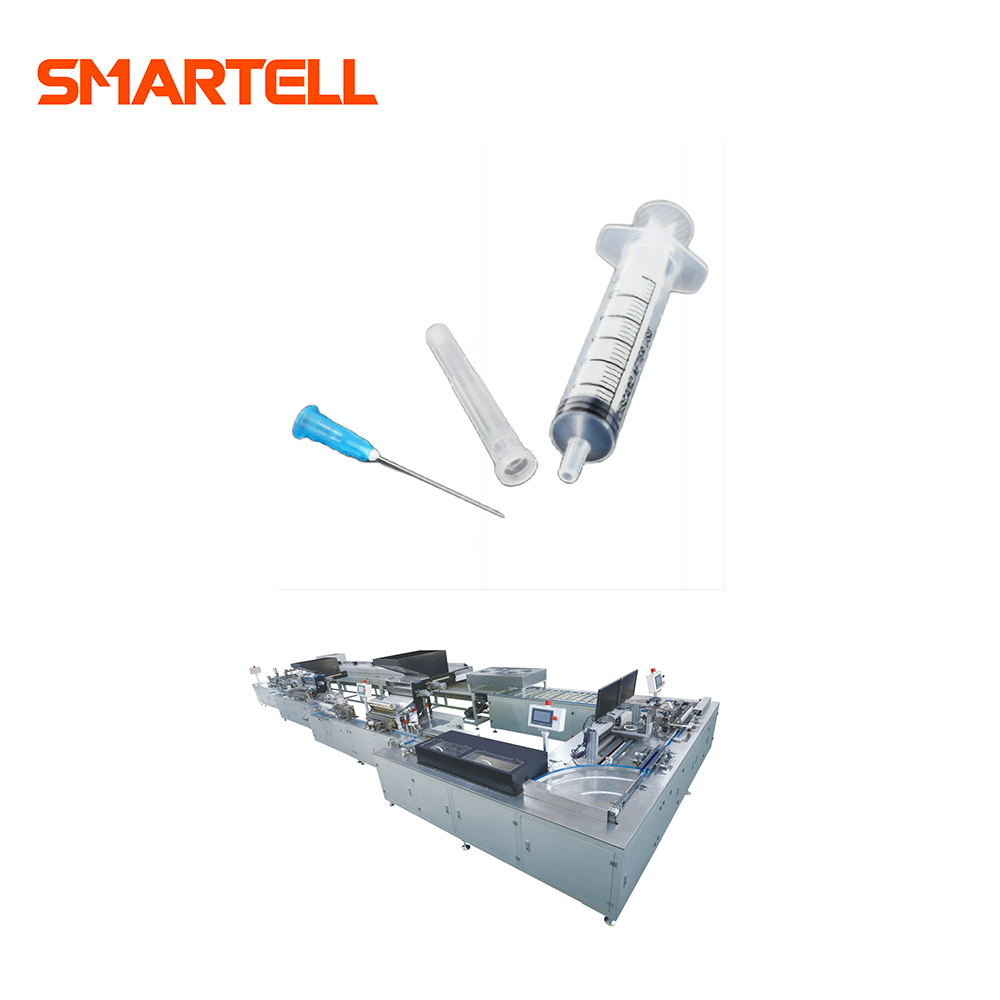
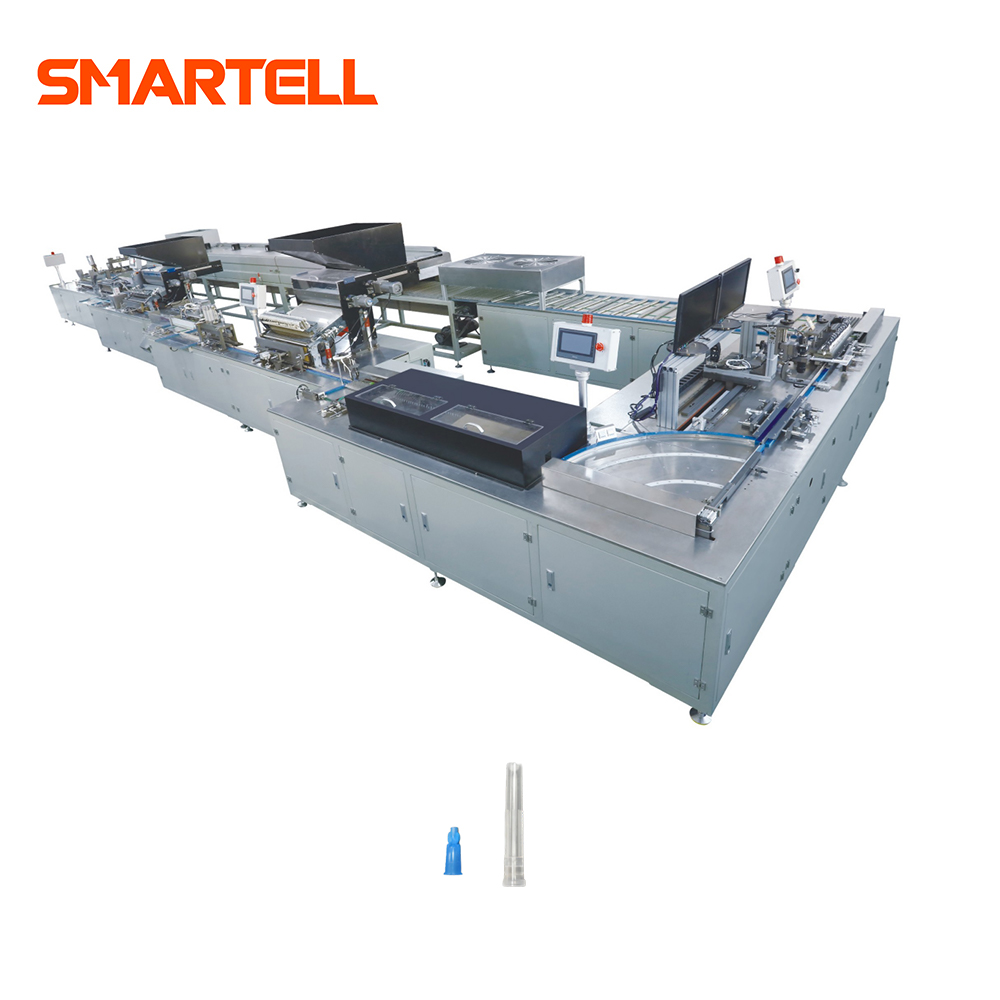
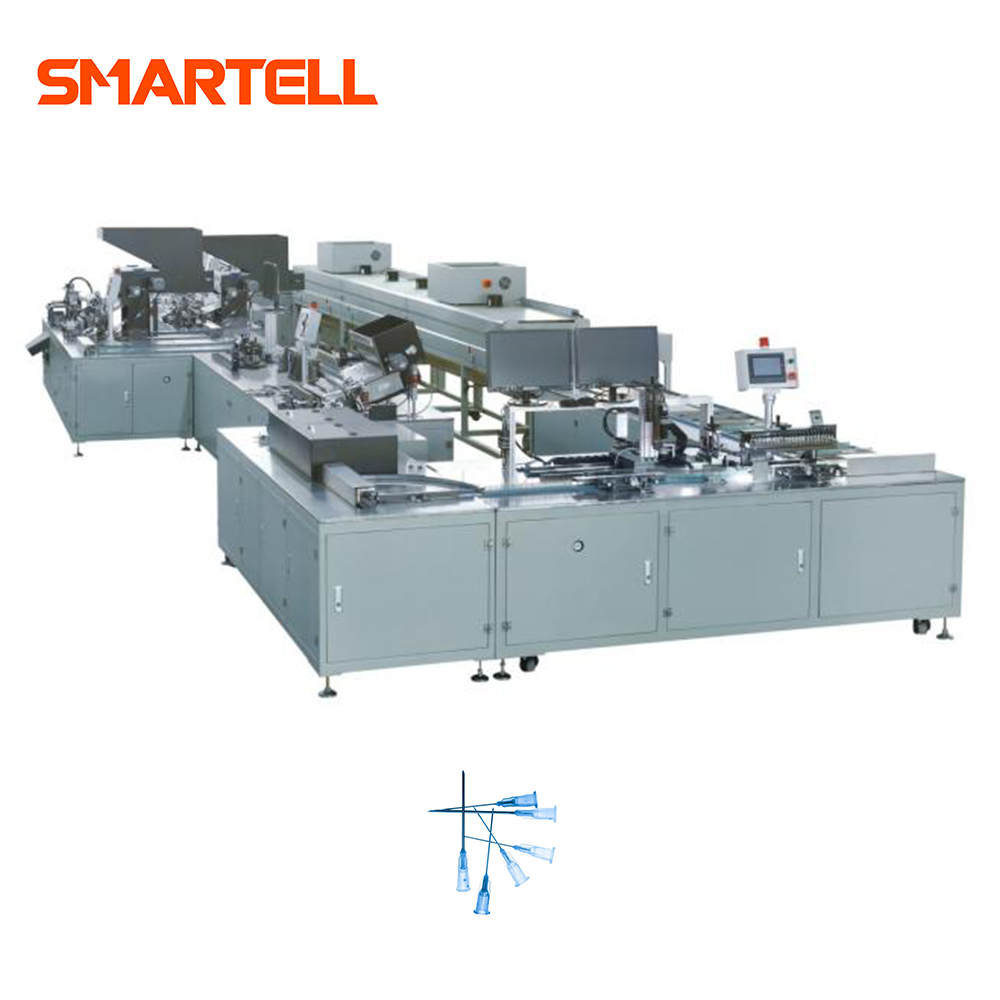
High-Speed Needle Assembly Machine
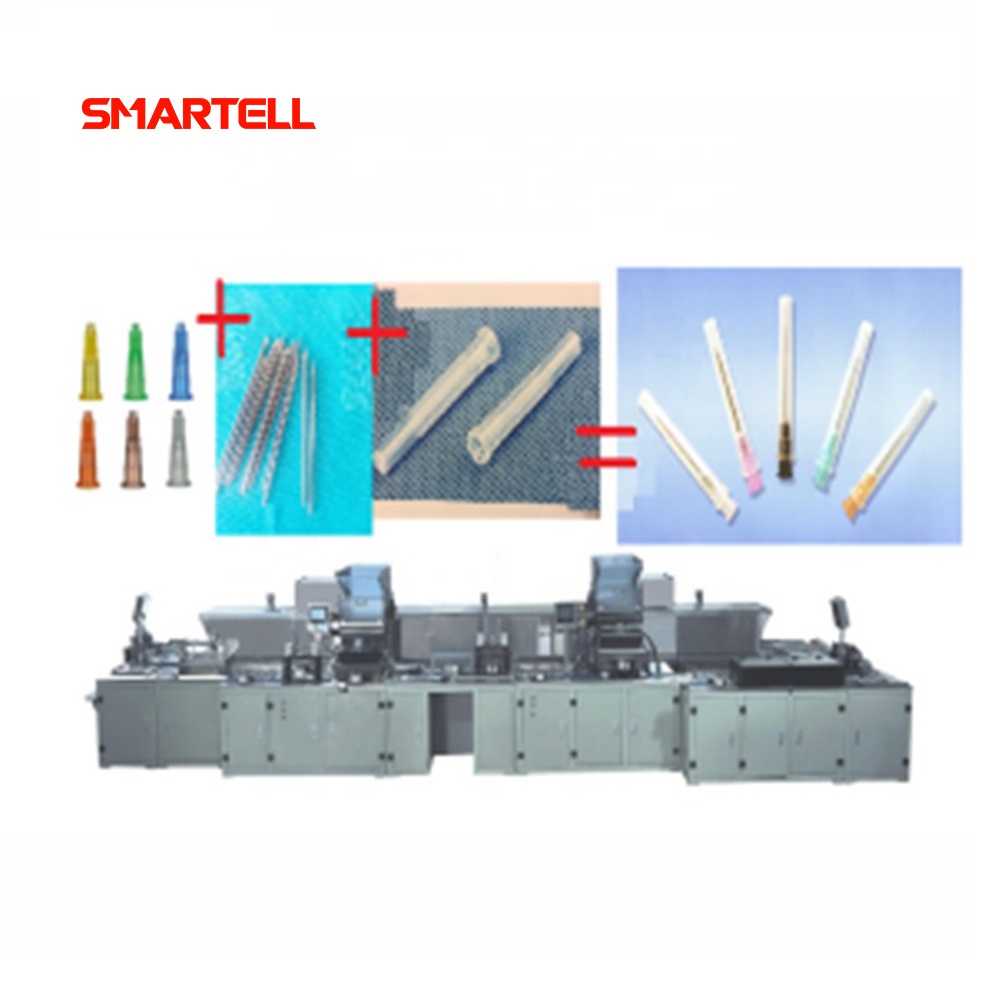
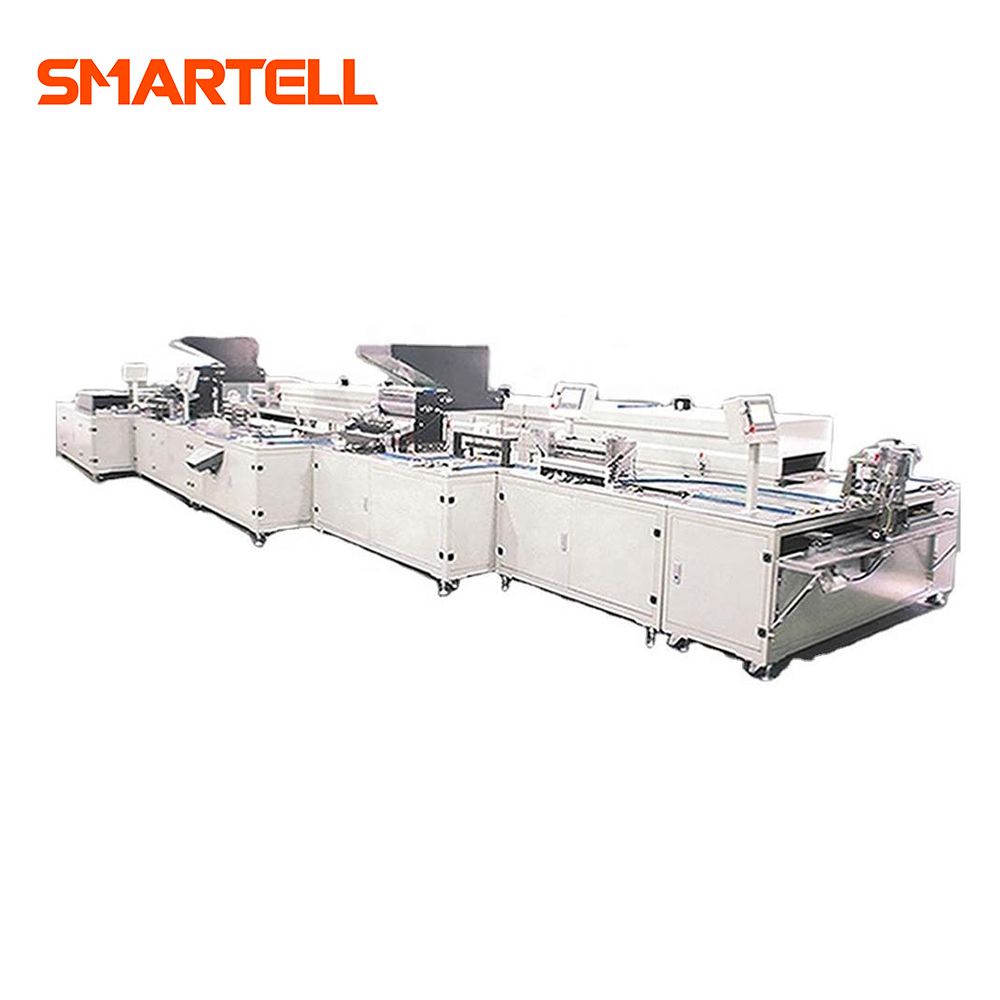
High-speed needle assembly machines are designed to meet the increasing demand for faster production while maintaining precision and consistency. These machines can operate at much higher speeds than regular models, making them ideal for large-scale operations or environments where time is a critical factor.
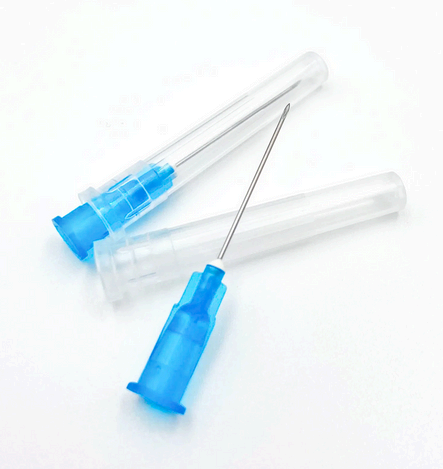
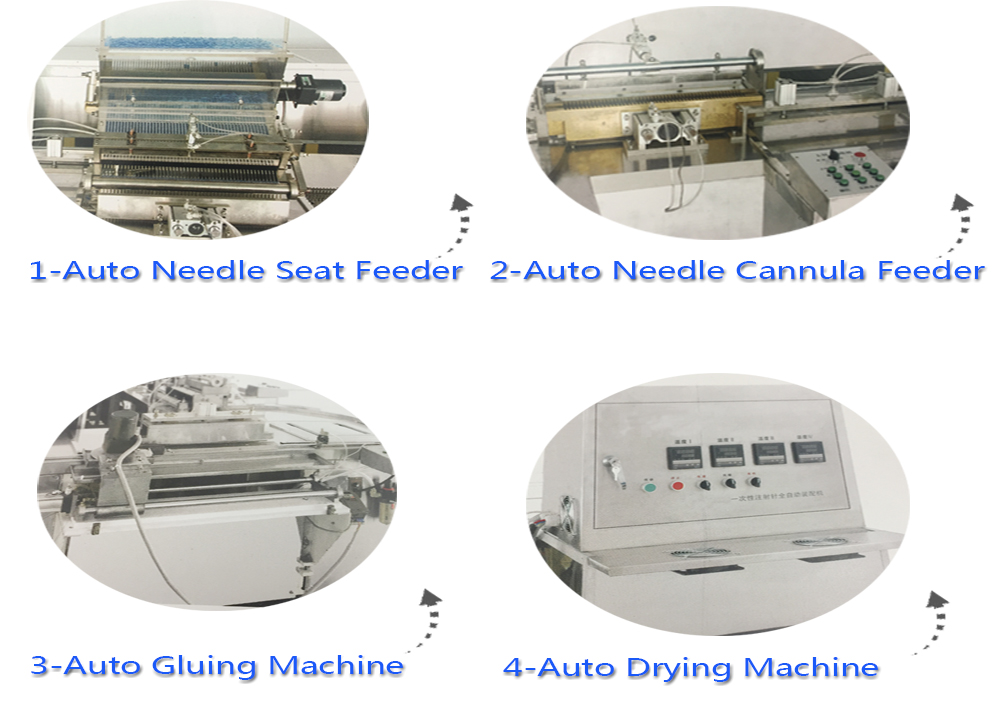
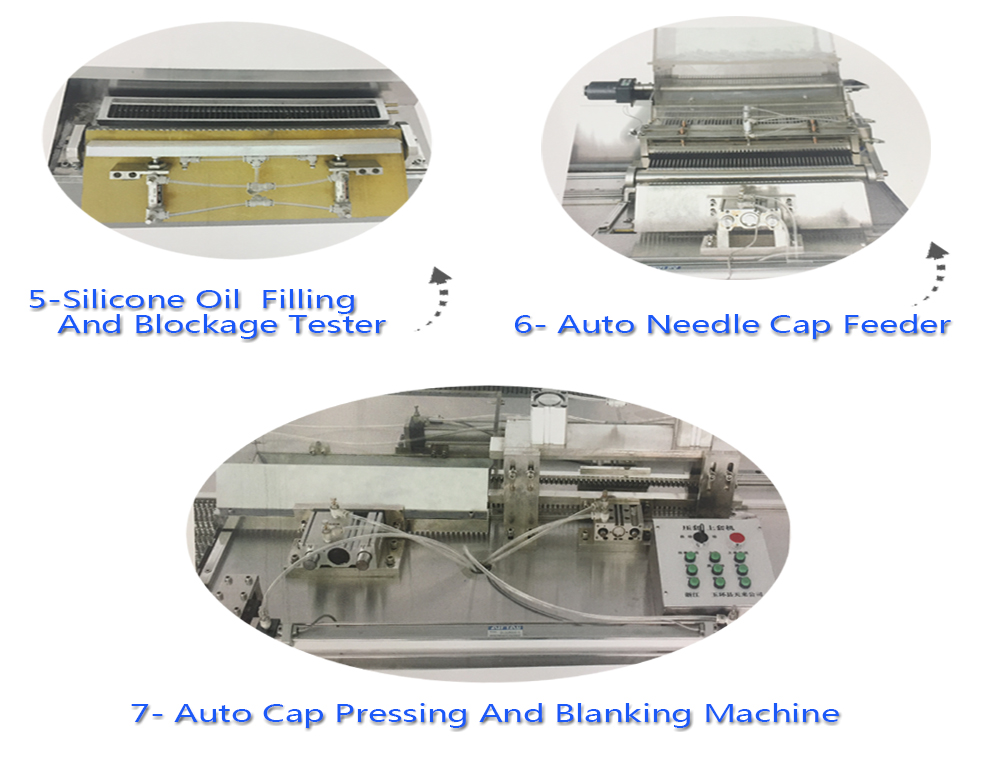
Automatic Loading and Feeding: High-speed machines often incorporate automated systems for feeding components like the needle hub, cannula, and cap into the assembly line. These feeders are much faster than manual systems and help to avoid bottlenecks in the production process.
Precise Assembly: These systems are equipped with high-precision alignment mechanisms to ensure that all needle components are accurately placed.
Higher Throughput: Due to their increased speed and automation, these machines can produce thousands of needles per hour, making them ideal for meeting large orders and high-volume production.
Advantages:
High-speed production
Precision in needle alignment and assembly
Reduced labor costs
Lower risk of errors in the assembly process
Disadvantages:
Higher initial investment cost
Requires specialized training for operators
May not be suitable for very small-scale production runs

High-Speed Needle Assembly Machine
High-speed needle assembly machines are designed to meet the increasing demand for faster production while maintaining precision and consistency. These machines can operate at much higher speeds than regular models, making them ideal for large-scale operations or environments where time is a critical factor.
Automatic Loading and Feeding: High-speed machines often incorporate automated systems for feeding components like the needle hub, cannula, and cap into the assembly line. These feeders are much faster than manual systems and help to avoid bottlenecks in the production process.
Precise Assembly: These systems are equipped with high-precision alignment mechanisms to ensure that all needle components are accurately placed.
Higher Throughput: Due to their increased speed and automation, these machines can produce thousands of needles per hour, making them ideal for meeting large orders and high-volume production.
Advantages:
High-speed production
Precision in needle alignment and assembly
Reduced labor costs
Lower risk of errors in the assembly process
Disadvantages:
Higher initial investment cost
Requires specialized training for operators
May not be suitable for very small-scale production runs