| Availability: | |
|---|---|
| Quantity: | |
SMT-5020
Smartell
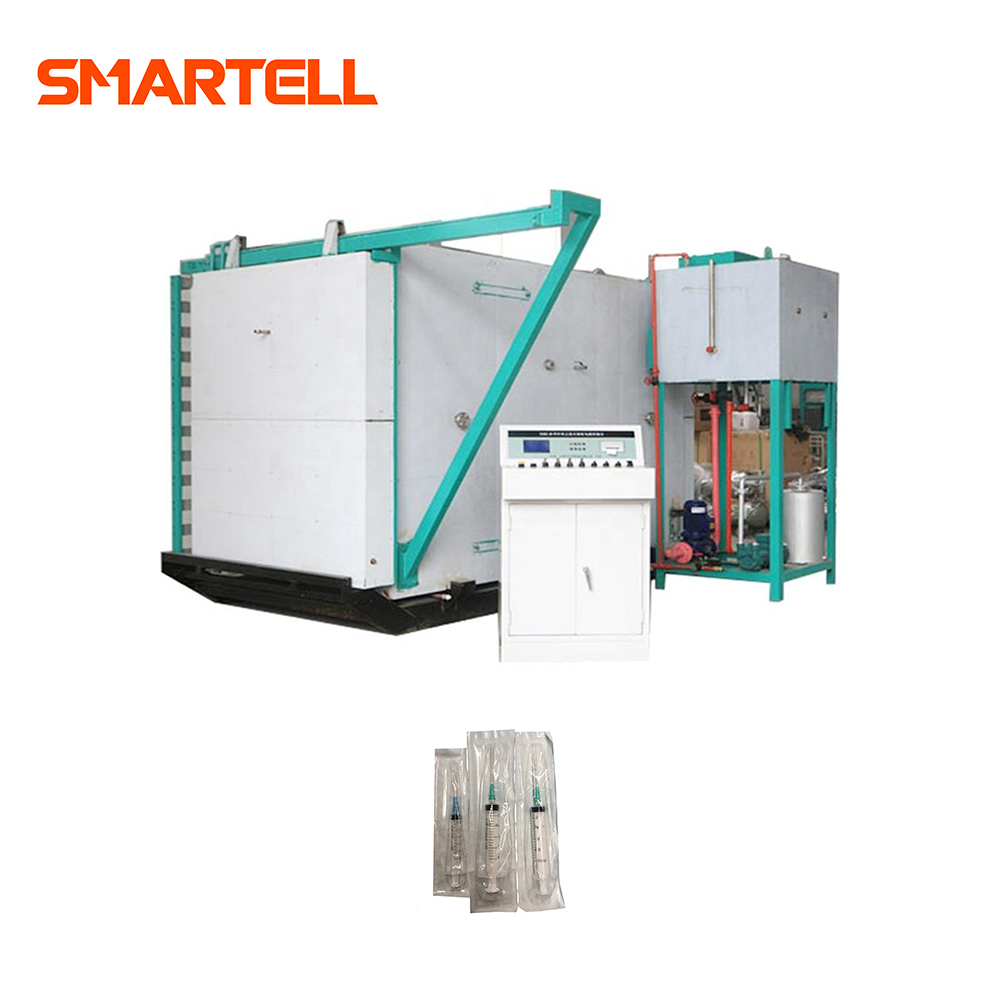
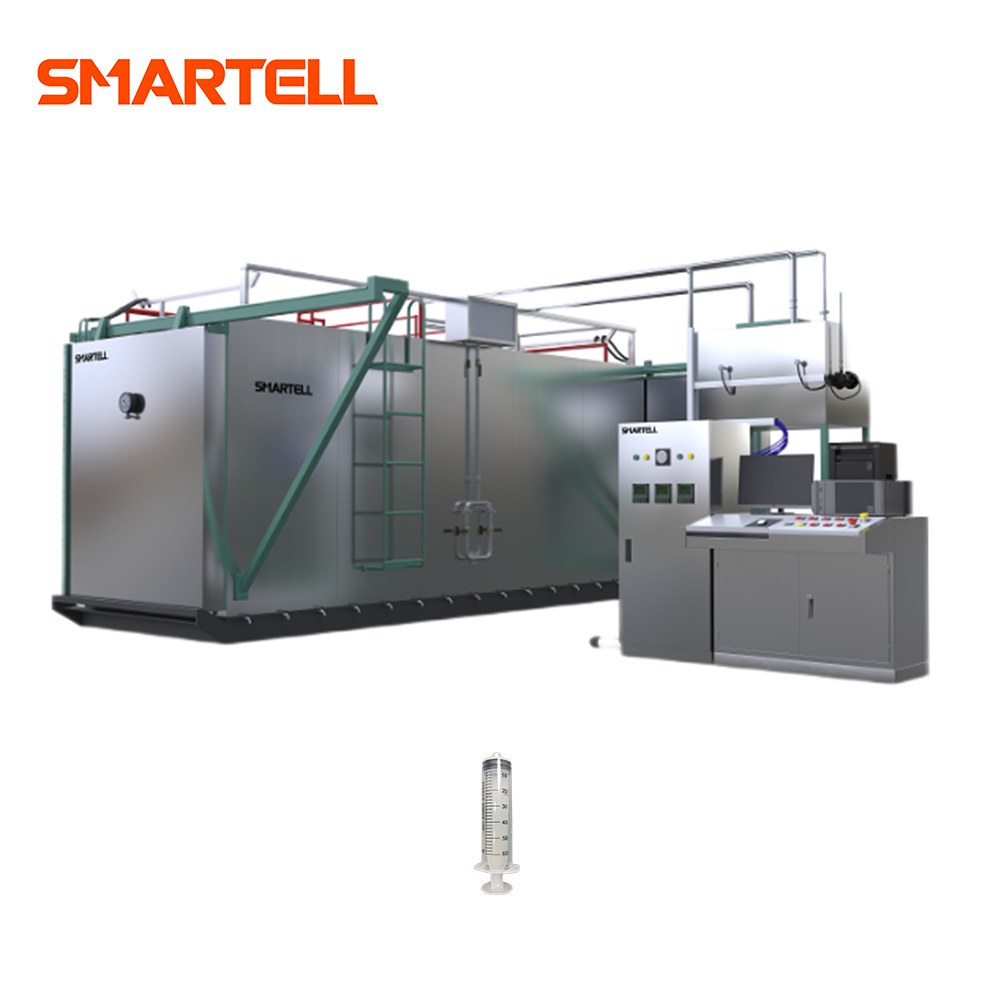
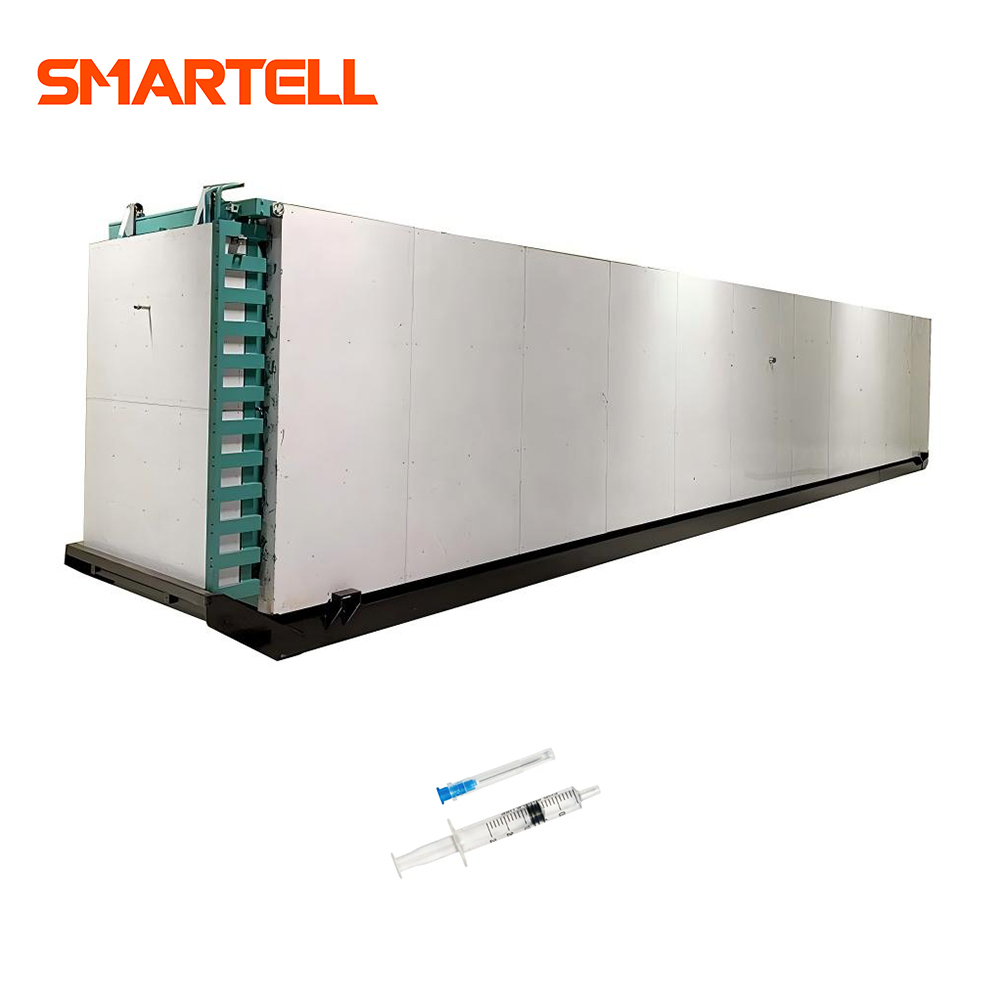
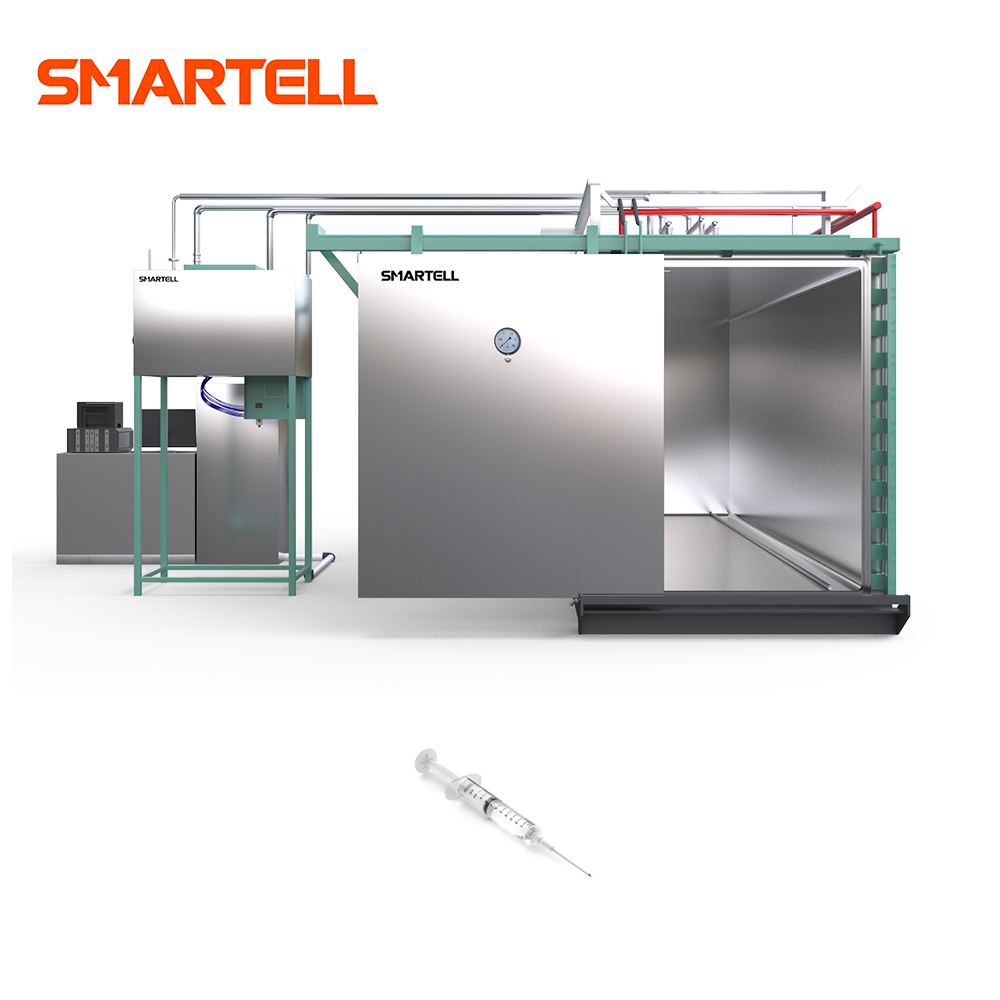
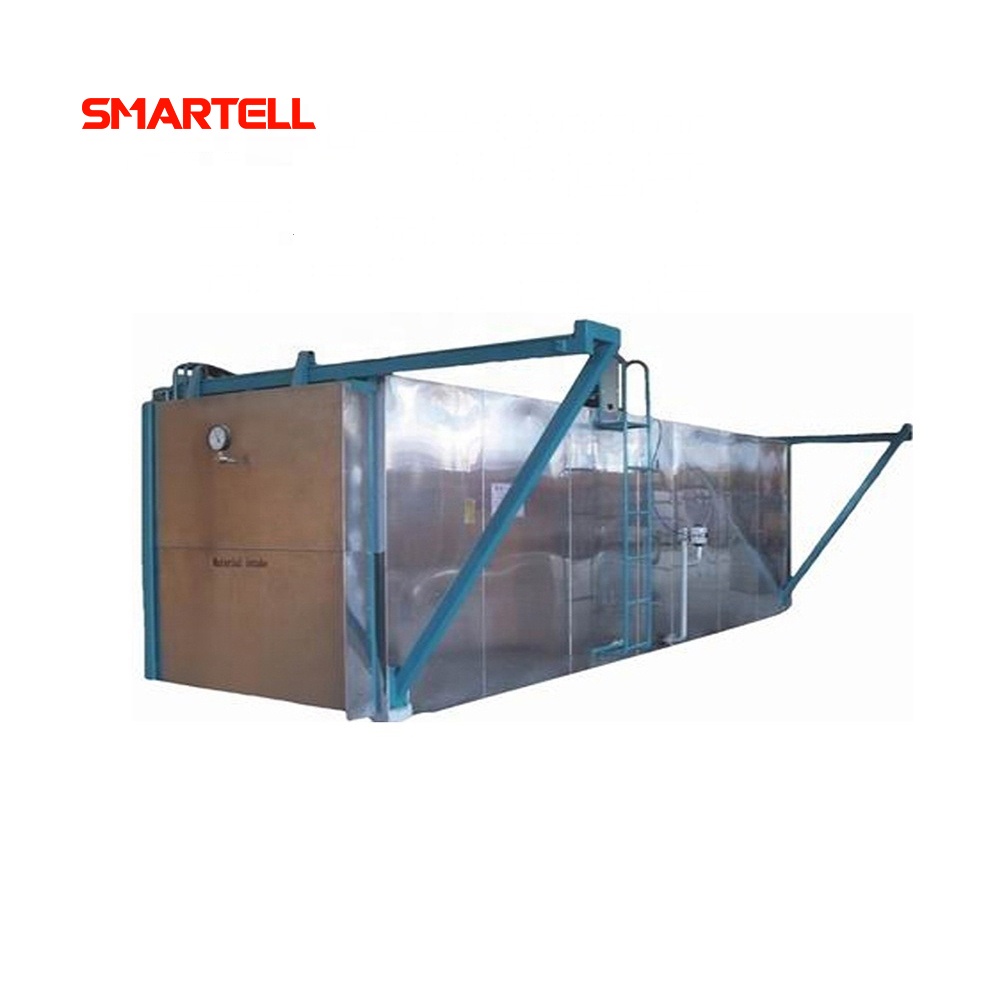
(Stainless steel coating sterilizer cabinet)

| Structure | combined | Time control | 1min~99h |
| Specification | 1m3~35m3 | Power Supply | 380v/50HZ |
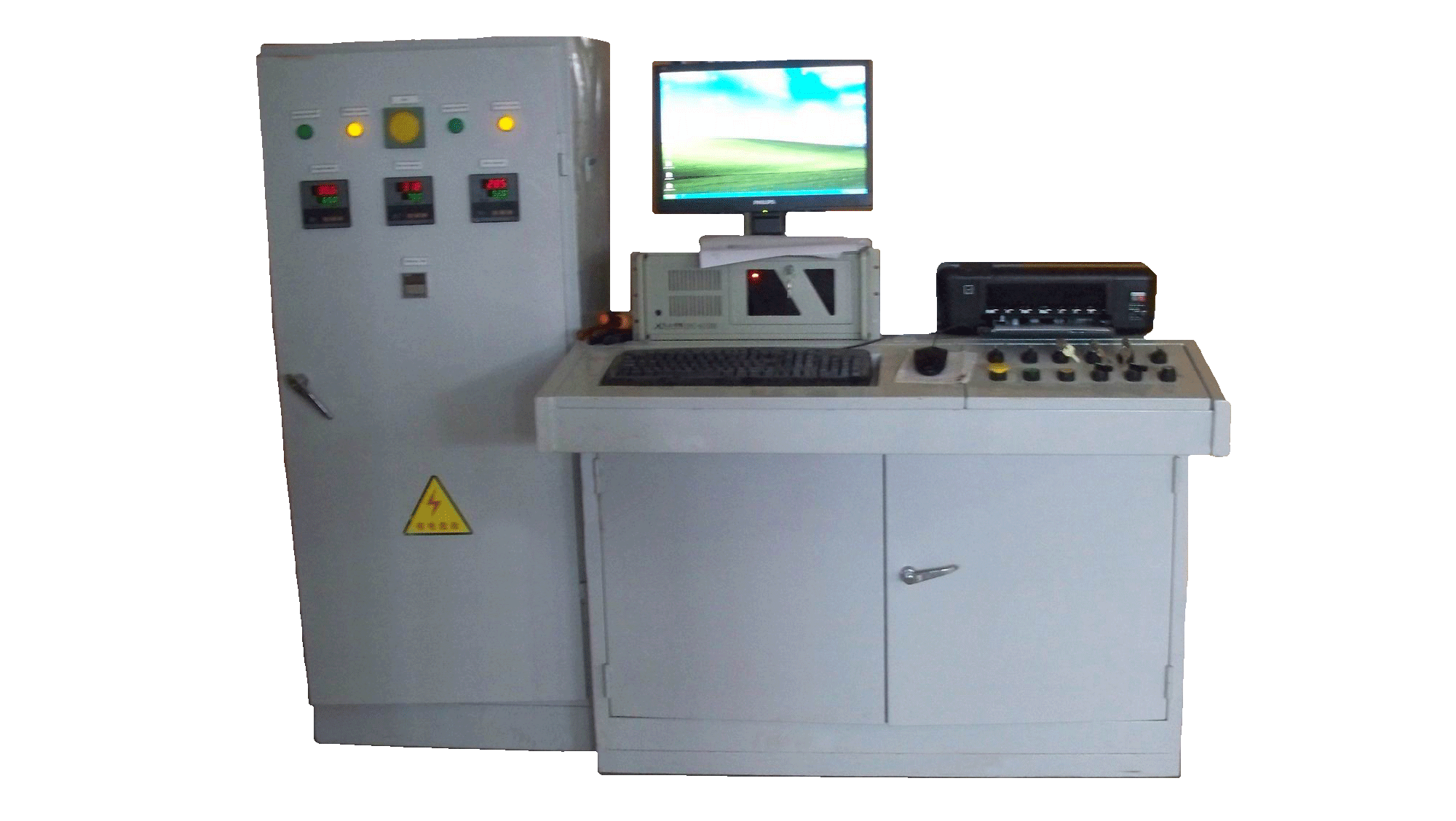
| Temperature control | 0~100°C | Power | 3~5Kw |
| Maximum error of the temperature control | <±3°C | Electric Power | 6~55Kw |
| Working pressure | -0.09~0.08Mpa | Working environment | Temperature5~40°C Humidity<80%RH |
| Working humidity | 30%~60% RH |
All parameters and dimensions are subject to change without prior notice.


(Stainless steel coating sterilizer cabinet)

| Structure | combined | Time control | 1min~99h |
| Specification | 1m3~35m3 | Power Supply | 380v/50HZ |
| Temperature control | 0~100°C | Power | 3~5Kw |
| Maximum error of the temperature control | <±3°C | Electric Power | 6~55Kw |
| Working pressure | -0.09~0.08Mpa | Working environment | Temperature5~40°C Humidity<80%RH |
| Working humidity | 30%~60% RH |
All parameters and dimensions are subject to change without prior notice.


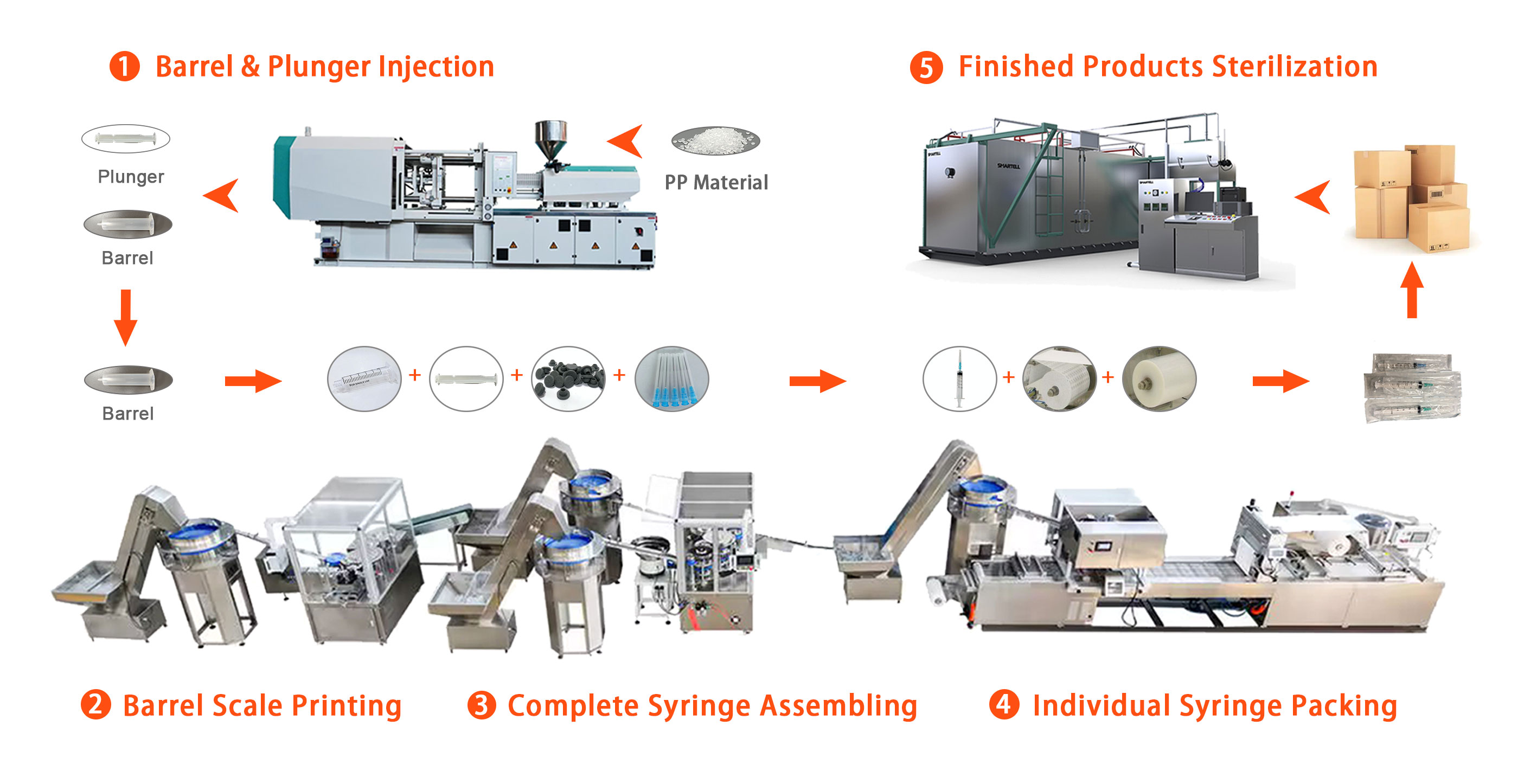
The ETO sterilization process is designed to provide effective sterilization without the use of heat or moisture. This makes it ideal for sterilizing heat-sensitive products such as syringes and infusion sets, which cannot withstand high temperatures.
1. Preparation: Medical items are placed inside the sterilizer cabinet, which is then sealed. The ethylene oxide gas is introduced into the chamber at a controlled rate.
2. Sterilization: Ethylene oxide gas is highly effective in penetrating through materials like plastics, rubbers, and some metals, reaching microorganisms hidden within. It disrupts the DNA of bacteria, viruses, fungi, and other pathogens, effectively sterilizing the products.
Ventilation: After the sterilization phase, the ethylene oxide gas is evacuated from the chamber. The products are then subjected to aeration, where the remaining gas is removed to ensure that the sterilized items are safe for use.
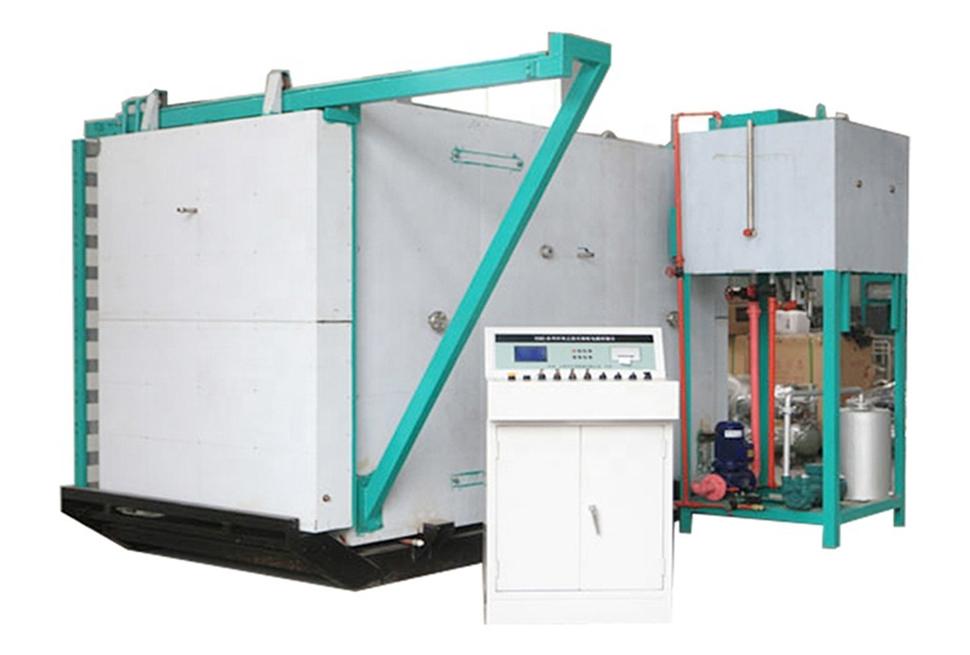

The ETO sterilization process is designed to provide effective sterilization without the use of heat or moisture. This makes it ideal for sterilizing heat-sensitive products such as syringes and infusion sets, which cannot withstand high temperatures.
1. Preparation: Medical items are placed inside the sterilizer cabinet, which is then sealed. The ethylene oxide gas is introduced into the chamber at a controlled rate.
2. Sterilization: Ethylene oxide gas is highly effective in penetrating through materials like plastics, rubbers, and some metals, reaching microorganisms hidden within. It disrupts the DNA of bacteria, viruses, fungi, and other pathogens, effectively sterilizing the products.
Ventilation: After the sterilization phase, the ethylene oxide gas is evacuated from the chamber. The products are then subjected to aeration, where the remaining gas is removed to ensure that the sterilized items are safe for use.